India and New Zealand Sign FTA with Special Focus on Dairy Nutrition
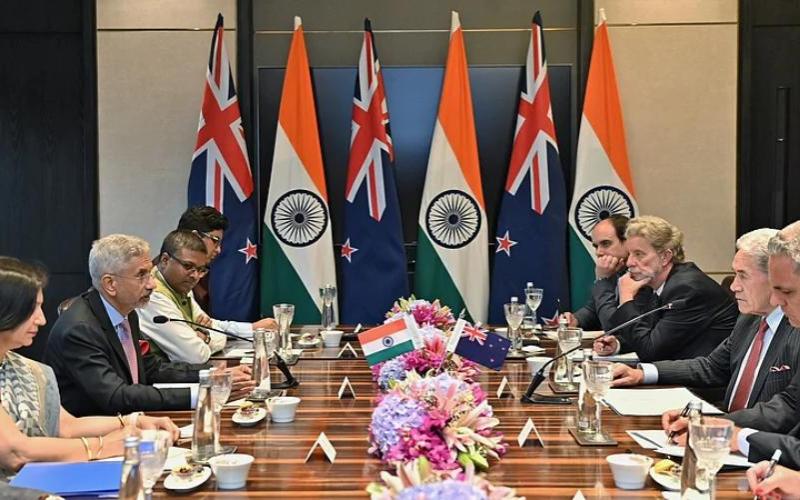
The India–New Zealand Free Trade Agreement (FTA), signed on April 27, 2026, represents a significant development in bilateral trade relations. The agreement provides New Zealand with duty-free access for 100% of its exports to India and includes a substantial $20 billion investment commitment aimed at enhancing India's supply chain infrastructure.
Despite the agreement's vast scope, India has maintained its protective stance on key dairy products like liquid milk, butter, and cheese to safeguard its 150 million rural dairy farmers. However, the FTA marks a strategic opening for specialised nutrition and infant formula, with phased tariff reductions over seven years for these high-value products.
A notable provision in the agreement is the zero-duty status for dairy ingredients used for re-export. This allows New Zealand processors to supply raw materials to Indian facilities for additional processing, provided the final products are exported. This approach leverages India's low-cost processing capabilities and aims to position the country as a manufacturing hub for the Oceania-Pacific markets.
Major Indian dairy processors, including Amul and Mother Dairy, are expected to remain shielded fr om direct competition but are incentivized to upgrade their technology to compete in the specialised nutrition sector, wh ere New Zealand's imports will have a competitive price advantage.
New Zealand firms, such as Fonterra, will adjust their focus towards high-margin functional dairy products rather than traditional commodity milk powders. The agreement's inclusion of a 'Most Favoured Nation' clause ensures that New Zealand will receive equal benefits if India provides better dairy access terms to other countries like the EU or UK in future agreements.
The $20 billion investment is anticipated to improve India's cold chain logistics and precision dairy technologies, addressing current wastage rates of 15% to 20% in the supply chain. This agreement, while not opening floodgates as some in New Zealand hoped, is a strategic move into India's growing dairy nutrition market.