Gocha Gagashvili, Tsivis Cheese: "In Georgia, cheese is like bread, it must always be on the table"
In an interview with DairyNews.today, Gocha Gagashvili talked about what cheese means to Georgians, how his cheese factory operates today, and the role gastronomic tourism plays in the development of small family businesses in Georgia.
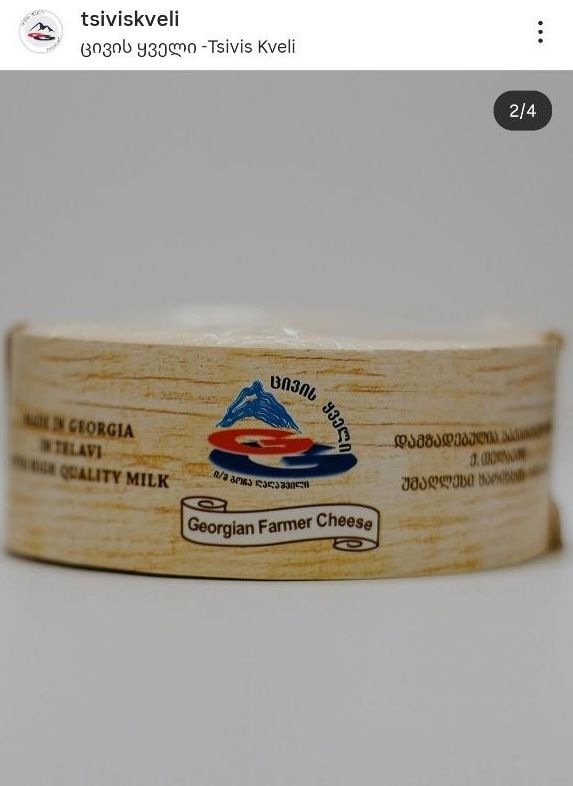
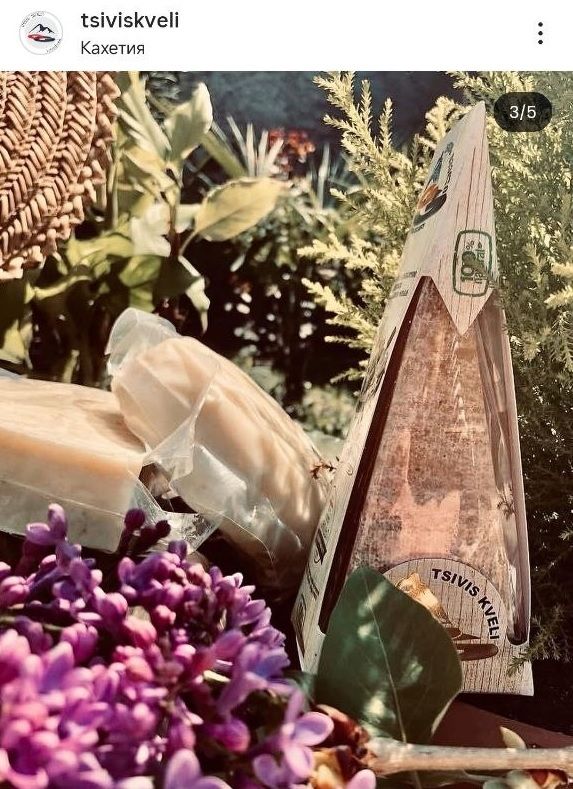
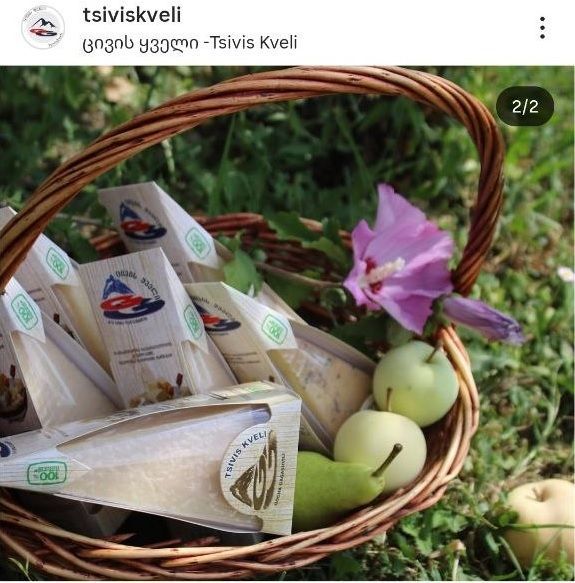
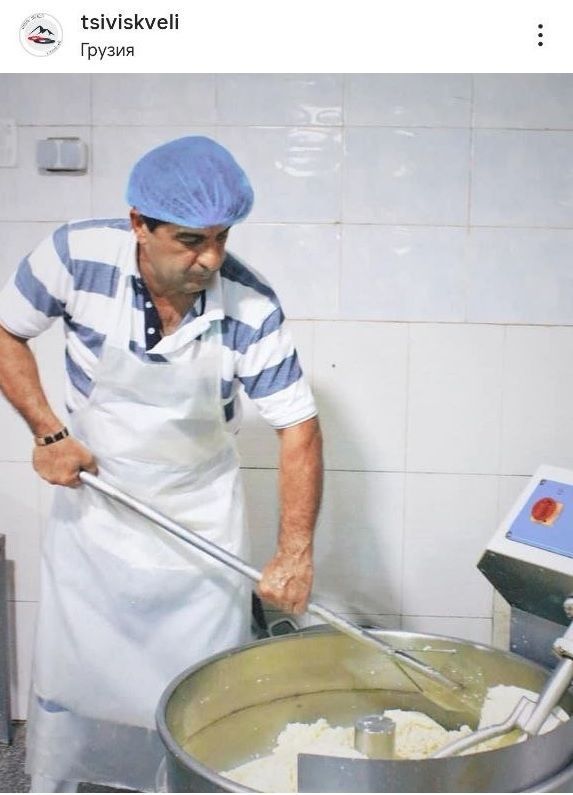
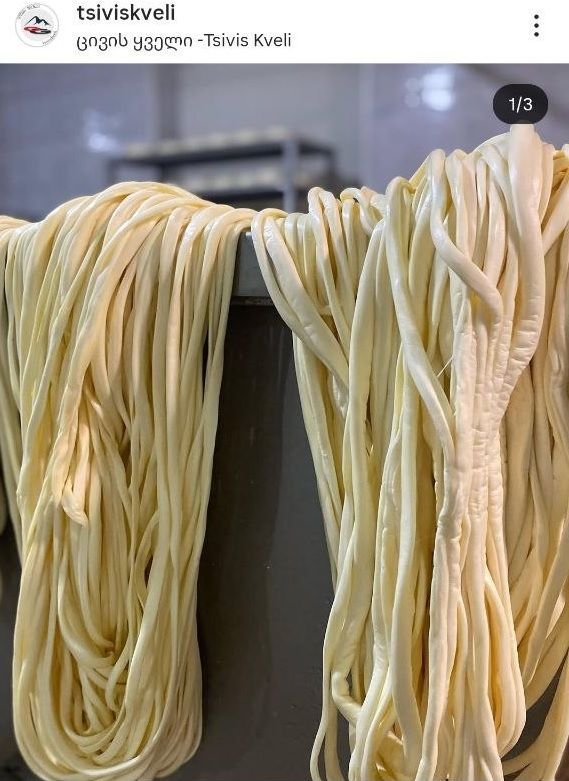
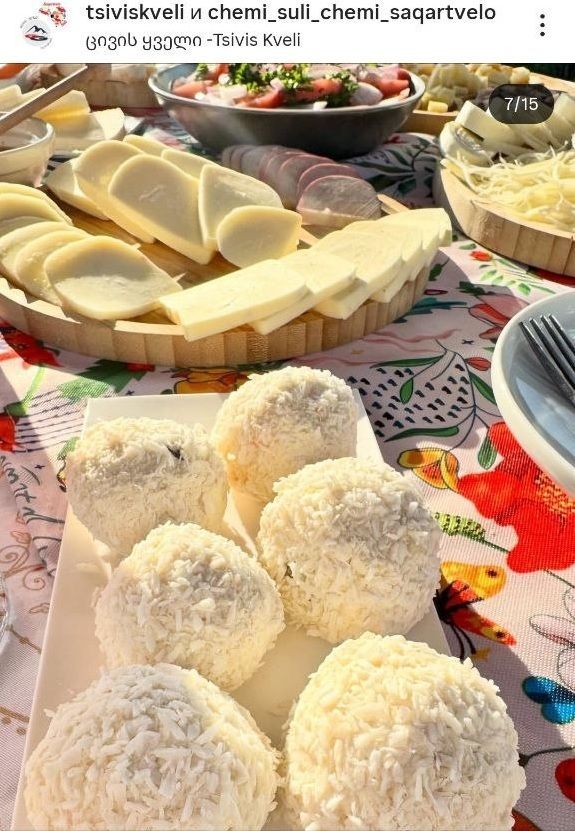
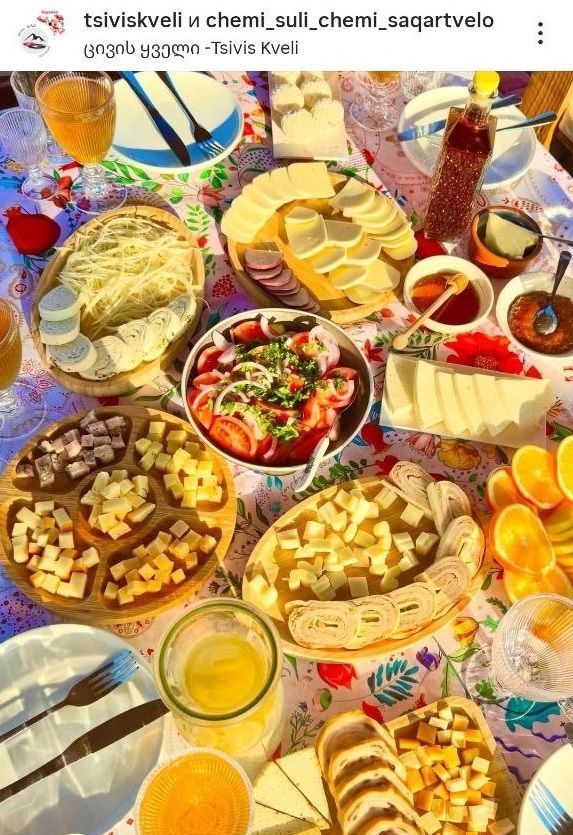
Tsivis Cheese was founded in 2008. Can you tell us how the cheese factory's story began?
— We started with a very small amount of milk. In those years, Georgia faced many difficulties. I personally collected milk — some had 5 liters, some 10 liters. On a day, it could be 20, 30, 50 liters. Essentially, we started at home.
In our family, the dairy business has been a tradition for several generations. My father was a dairyman, then me, now my children, and the next generation is growing up. Today, 15 people work at the cheese factory: both relatives and hired employees. It's important for us that the enterprise provides jobs not only for the family but also for others.
Initially, we mainly made Sulguni and Imeretian cheese. When we saw that the products were in demand, in 2008, we registered the company, built a small production facility, and started working officially. After that, we could work with stores.

Later, we won several grants. They helped us not only financially but also with education. We traveled to various European countries, learned, observed how other cheesemakers worked.
I believe traditions are very important, but not everything traditionally done was right. Much was done simply because people didn't know how to do better. After that, we started implementing pasteurization, adhering to European standards, and working with pure cultures and bacteria to make the products safer.
How have the processing volumes changed since the foundation?
— In peak years, we processed 4-5 tons of milk a day. Now the volumes are lower — about a ton of milk a day.
The pandemic had a significant impact. Airports, hotels, restaurants closed — and we mainly worked with the HoReCa sector: restaurants, hotels, airports. Then almost everything stopped. We worked a little online, but these were small volumes.
Before the pandemic, our products even reached China, Los Angeles, Chicago, albeit in small amounts. Now the sales channels remain varied: retail, restaurants, hotels, tourism flow.
Currently, in Georgia, we produce about 3 tons of cheese a month. We maintain a separate line for kosher cheese — it remains in demand since there are no other producers like this in the country.
Where do you source milk for cheese production?
— Now we cooperate with farms. Previously, it was difficult to control the milk that came fr om many small suppliers. And different milk doesn't always produce the cheese you want to make.
In Georgia, around 2015–2016, European standard farms began to appear. There, animals are kept on-site, receive controlled feeding, and provide 30–35 liters of milk.
It's more convenient for us to work with such farms. Everything is under control, it's easier to monitor the health of the animals and the quality of the milk. We pay a bit more for such raw materials than to the population, but it is safer and more stable in quality.
What is the product range of the cheese factory?
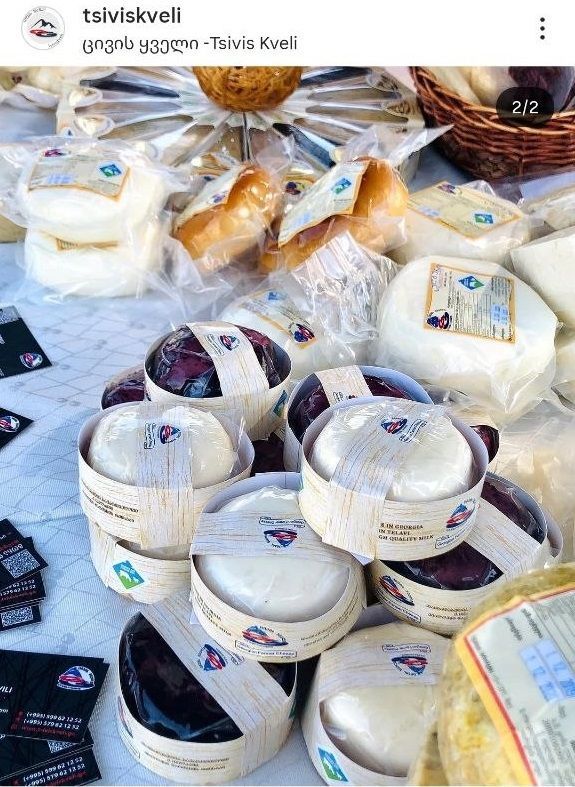
— We have 12 main types of cheese and about 70 varieties. We produce traditional Georgian Sulguni, Imeretian cheese, Gudis cheese, mozzarella, burrata, smoked and unsmoked cheeses, Gouda-style cheeses, cheese sticks, braids, cheese shaped like khinkali, and more.
It is important for us to preserve traditional Georgian flavors while developing new formats that are interesting to modern consumers, restaurants, tourists, and specialized retailers.
We make cheeses from cow's and buffalo's milk. Buffalo milk is seasonal for us. We mainly receive it in the fall. Technologically, we make mozzarella from it.
Interestingly, mozzarella and Sulguni can be considered cousins. When I studied in Italy, they told me: "Mozzarella, mozzarella — you'll be a millionaire." I even bought equipment for 50,000 euros to produce mozzarella. But it turned out that in a country wh ere Sulguni reigns, mozzarella finds it hard to establish its path. In Georgia, consumers first and foremost know and love Sulguni.
Tsivis Cheese is called the only kosher cheese-making enterprise in Georgia. How is this work organized?
— Every week, a representative of the kosher supervision organization comes to our production. The production technology generally stays the same, but he oversees everything: cleanliness, milk, equipment, brine, utensils.
For kosher production, separate utensils, separate brine, and a separate room are used. We have a room about 15 square meters, it is closed and sealed. Only this authorized person can open it. If someone breaks the seal, all products from there must be removed and started anew.
Kosher certification provides us with an additional sales direction. But, for instance, exporting to Israel is difficult: there are very high customs barriers to protect local producers. Under such conditions, our products become uncompetitive in price.
How do you evaluate the cheese market in Georgia?
— In Georgia, cheese is a part of the culture. When a feast, lunch, or dinner begins, bread, cheese, and salt are placed on the table first, then everything else. I have hardly seen this in other countries.
Georgians eat a lot of cheese. This includes Sulguni, Imeretian cheese, Gudis cheese, and of course, khachapuri. For us, cheese is almost like bread, it must always be on the table.
Meanwhile, the market is changing. There is less milk, cheese remains in demand, but the number of enterprises is increasing. Competition is intensifying, and small producers need to find their niche — through quality, assortment, working with guests, restaurants, and specialized sales channels.
How important are tours, workshops, and tastings for your business?
— This is an important direction. I was one of the first to develop such infrastructure. In 2015–2018, many tourists came to Georgia. Groups came to us — 3–4 people, 10–15 people, but I couldn't accommodate them properly. People arrived, but there were no conditions for service.
I saw a future in this and invested about $200,000. Part of the funds was from the bank, part was grant support, and part was interest-free financing. The bank and agricultural structures helped.
We built infrastructure to welcome guests. Now we can accommodate 50, 70, 100 people a day. When everything was operating at full capacity, we hosted 400–500 people a month.
The economy here is not only based on the tour or tasting itself. A guest comes, tries cheeses with wine and bread, then goes to the cheese factory's store and buys what they liked. This is an additional sale and simultaneously brand promotion.
Essentially, I wanted to create a cheese restaurant. There was almost no such format in Georgia. And to some extent, it worked: people come to us not only to buy cheese but also to gain experience.
What will participants of DairyRally Georgia see during their visit to Tsivis Cheese?
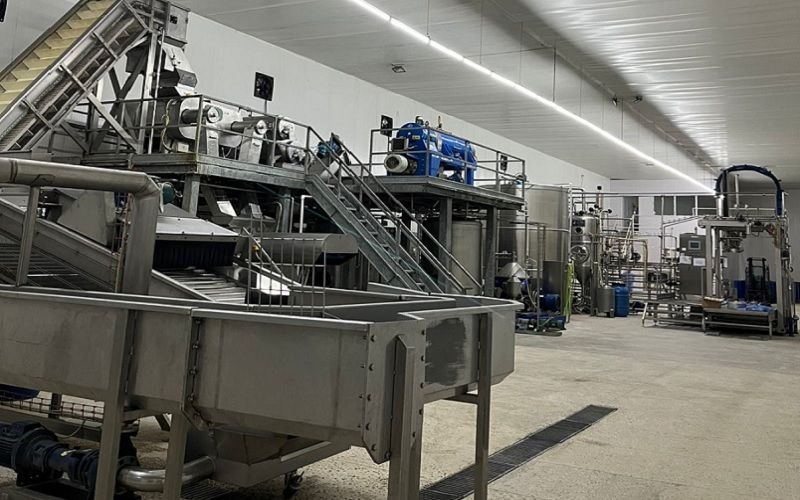
— Participants of the Rally will be able to learn about our cheese-making technology, visit the maturation area, and see how a small family cheese factory combines artisanal production, quality control, gastronomic tourism, and the promotion of local Georgian products.
Additionally, a tasting of Tsivis Cheese products will be organized for our guests. This format will allow not only to evaluate the range but also to better understand the role of cheese in the gastronomic culture of Kakheti and Georgia as a whole.
In general, when people visit the production site, meet the owners, can ask questions, and see the real conditions for making products — new friends, new ideas, and new contacts emerge. I myself met my current partner in Kazakhstan this way... Therefore, we are looking forward to welcoming participants of the Rally!
Photo: from social networks tsiviskveli (ცივის ყველი)
Registration for DairyRally Georgia 2026 is open: