Dairy Farmers Adapt to New Component-Based Pricing Models
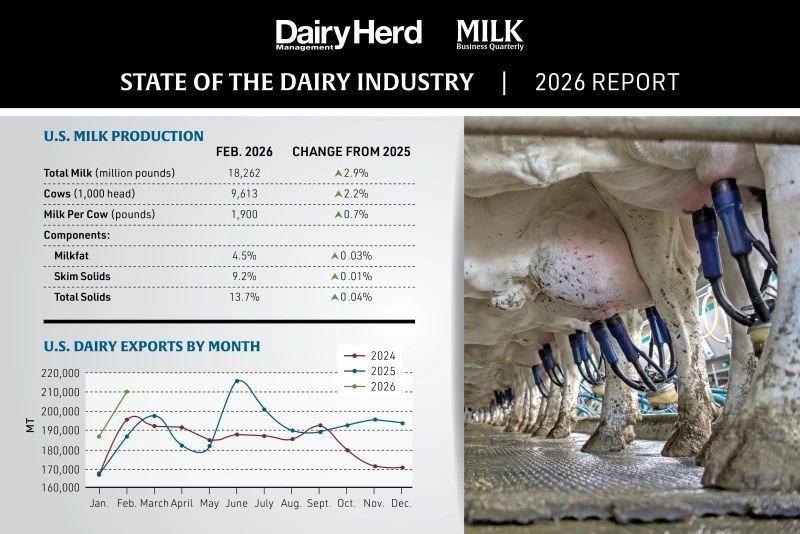
Dairy farmers in the United States are facing a significant shift in how their revenue is calculated, moving away from the traditional method based purely on fluid milk volume. The modern system focuses on intricate component formulas, which are becoming essential for maintaining profit margins. These changes are a result of processing conglomerates upgrading their infrastructure and the enforcement of comprehensive component pricing models across Federal Milk Marketing Orders (FMMO).
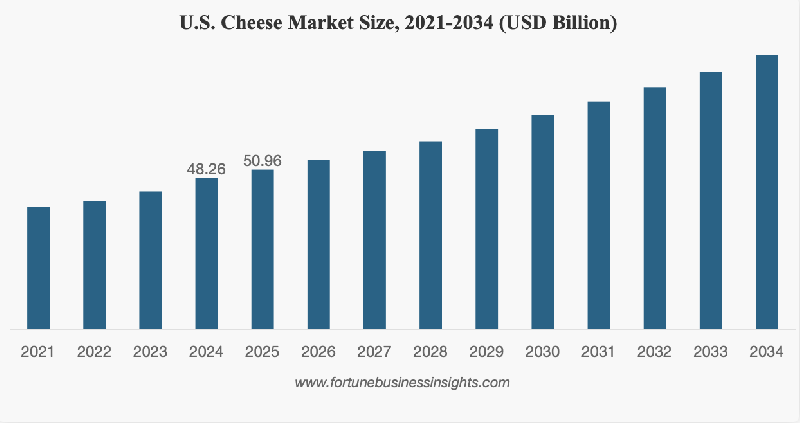
The new pricing models dissect milk into distinct market valuations for components such as butterfat and true protein. Identical volumes of milk can generate different revenue outcomes depending on the results of laboratory analyses. This is largely due to the international demand for products like functional whey isolates and premium cheeses, which has led processing plants to impose penalties on low-component fluid milk while offering premiums for milk with a high density of solids.
Additionally, regional deductions and logistical adjustments further complicate revenue calculations. Farmers are facing deductions for hauling fees, cooperative marketing overheads, and mandatory promotion checkoffs. Localized supply imbalances and processing limits have resulted in strict base-excess programs, which cap the amount of milk that can be marketed at full price.
In response to these financial pressures, dairy nutritionists and herd managers are making immediate adjustments. To protect equity against volatile commodity markets, operators are altering cattle rations to increase fat and protein production while closely monitoring somatic cell counts, which can lead to quality penalties.
Understanding and adapting to the complex economics of modern milk checks is becoming crucial for dairy farms to remain profitable. For international agribusiness analysts and cooperative leaders, this transition underscores the growing connection between on-farm management and macro-level food manufacturing demands. Dairy farms that treat their operations as precise component factories rather than bulk suppliers are better positioned to survive prolonged margin contractions.