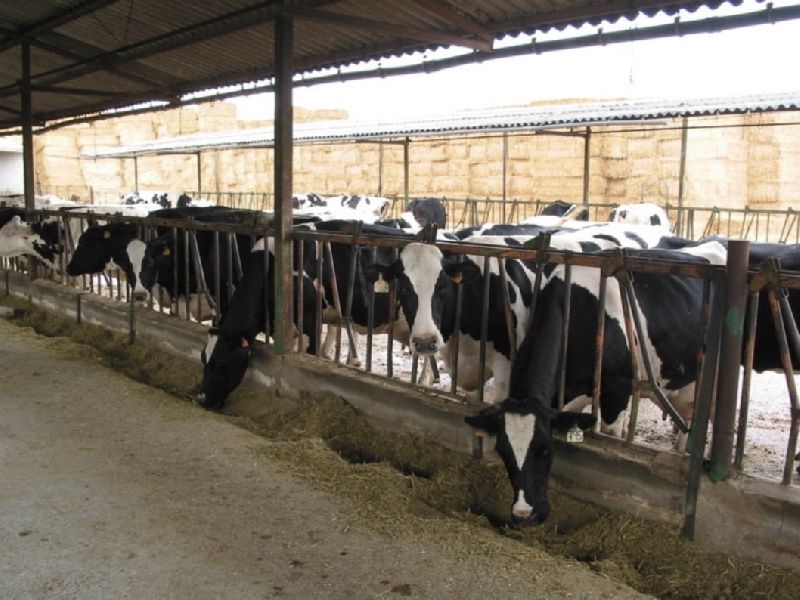
China's $17 Billion Annual Commitment Boosts U.S. Agricultural Trade
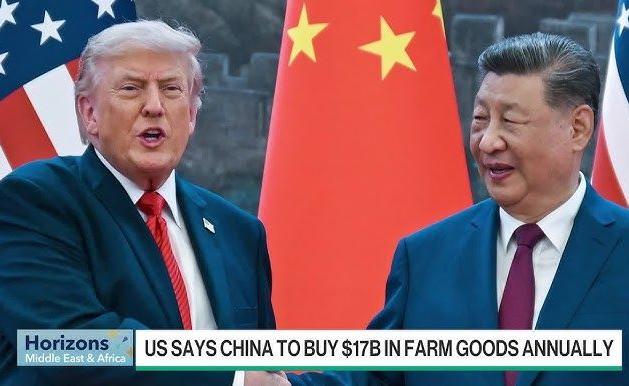
China has announced a commitment to purchase approximately $17 billion in U.S. agricultural goods annually, a move that could have significant implications for global commodity markets. This agreement is seen as a potential turning point for the dairy, grain, and protein sectors, offering a degree of stability after several years marked by trade tensions between the U.S. and China.
The agreement is expected to provide a boost to U.S. farmers and agribusinesses by enhancing export demand. Analysts suggest that this development may improve confidence among American producers who have faced volatile international markets. The renewed trade framework comes at a critical time as exporters are keenly observing changes in global demand, particularly for dairy products such as milk powders, whey, and cheese.
China, being a major player in the global agricultural import market, could drive up U.S. milk prices and support the dairy ingredients market with its heightened purchasing activity. Industry experts note that the scale of China's commitment sends a significant signal to commodity traders and processors.
The increased Chinese buying could potentially tighten supplies in certain export categories, thus enhancing farmgate returns for producers. Discussions around the policy suggest that agricultural trade plays a strategic role in broader geopolitical negotiations between Washington and Beijing.
For the U.S. dairy sector, maintaining export momentum is increasingly important as domestic production efficiency improves. Sustained growth in Chinese imports could benefit U.S. dairy cooperatives, manufacturers, and rural economies that depend on export-driven production. Economists indicate that stronger overseas demand may stimulate long-term investment across the dairy supply chain.
Although details regarding the implementation and market execution of the agreement remain uncertain, the announcement has already attracted significant attention within agricultural industries. Producers and analysts are closely monitoring potential increases in export volumes, pricing impacts, and future bilateral trade developments that could influence global dairy and food trade flows in the coming years.