Pakistan Aims for $1 Billion in Fodder Exports by Accessing Saudi and Chinese Markets
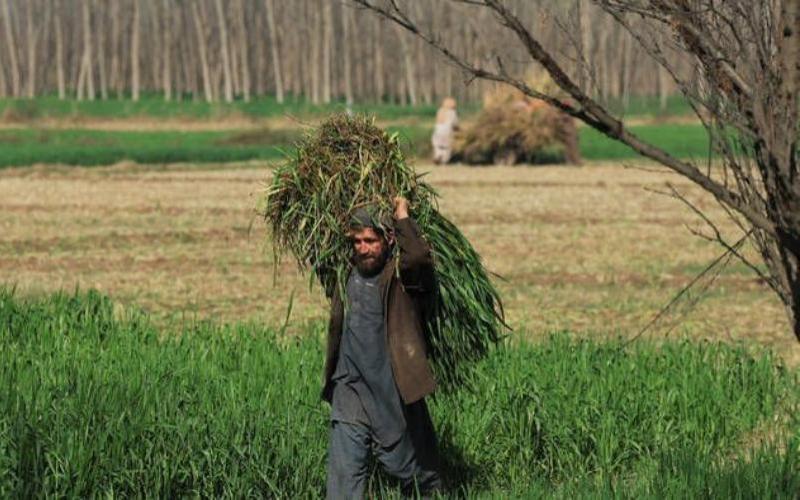
Pakistan's fodder exporters are targeting a significant increase in exports, aiming to reach $1 billion annually within the next five years. This ambitious goal hinges on securing access to major markets such as Saudi Arabia and China. In the fiscal year ending in June, Pakistan exported 930,802 tons of animal feed worth $112.2 million, with the United Arab Emirates accounting for $33.2 million of these exports, as per the Pakistan Bureau of Statistics.
The reliance on a single market like the UAE poses risks, prompting industry leaders to call for governmental action to enter new markets. Sarfaraz Ali Junejo, head of the Pakistan Hay Association, emphasized the importance of government-to-government negotiations to expand market access. Rhodes grass, a key export crop, is in demand in the Gulf due to limited local agricultural production.
Despite having good relations with China, Pakistan has yet to register its product for export there, which could open a significant market. Saudi Arabia, which currently imports more from Sudan, represents another potential large market if governmental agreements can be reached.
In response to Gulf demand, Rhodes grass cultivation in Pakistan has surged over 60% in recent years, reaching about 120,000 acres nationwide. However, fears of oversupply are causing some exporters to reconsider further expansion without securing new markets. For instance, GRJ farms plan a 36% increase in exports to 30,000 tons this year but are cautious of potential market saturation.
Pakistan's shift towards export-oriented agriculture is partly driven by policy changes, including reduced crop subsidies under an IMF stabilization program, which encourages farmers to move away from traditional staples. Junejo highlighted the need for the Trade Development Authority of Pakistan to actively pursue market access and address other barriers like high taxes on imported machinery and unfavorable foreign exchange rates.
Currently, agriculture accounts for about 24% of Pakistan’s GDP and employs 38% of the workforce. Expanding into major markets like Saudi Arabia and China could significantly enhance the role of fodder exports in the economy, potentially transforming it into a major non-traditional export sector.