United States to Remain Mexico's Key Dairy Supplier by 2026
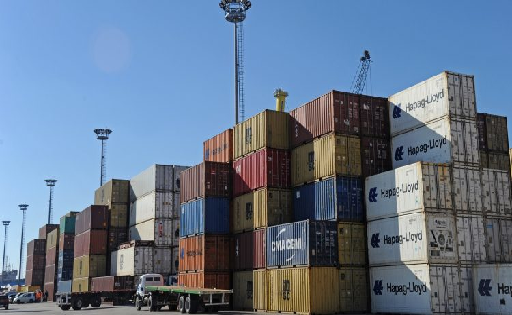
According to the latest report from the United States Department of Agriculture (USDA), the United States is projected to continue as the primary dairy supplier to Mexico in 2026. This forecast comes despite a projected increase in local Mexican dairy production. The Global Agricultural Information Network (GAIN) report emphasizes that while Mexican dairy farms are increasing their efficiency, the demand for industrial inputs and value-added products ensures ongoing trade between the two countries.
Local Production Growth
The report anticipates that Mexican liquid milk production will reach 14.3 million metric tons by 2026, marking a 2% increase. This growth is largely attributed to technological modernization and the consolidation of private sector operations in the northern and central regions of Mexico, driven by companies such as Lala, Alpura, and GAQSA.
Key Drivers of Growth
- Precision feeding and advanced genetics have increased per-animal yield through biotechnology.
- Smaller production units have joined larger cooperative structures, reducing inefficiencies.
- Improved environmental conditions, such as increased soil moisture from recent thaws, have enhanced pasture availability, mitigating previous drought impacts.
Import and Consumer Trends
The dynamic Mexican processing industry is expected to boost U.S. exports. Imports of skim milk powder are projected to rise by 5%, driven by local processing industry demands. Additionally, Mexican consumers are showing a preference for authentic products, as evidenced by a 2% increase in the consumption of premium butter and cheeses, while local cheese production is set to grow by 2%, focusing on niche markets and flavored varieties.
Cost Challenges and Regional Disparities
Despite infrastructure improvements, such as investments in cold chain technologies, local producers' operating margins remain pressured. Mexico's general inflation rate, at 4.45% as of April 2026, surpasses the central bank's target. Additionally, energy costs have risen by 20% compared to 2024 levels, and persistent water scarcity in the north continues to affect the industry.
This situation highlights regional market differences within Mexico:
- The northern regions of Chihuahua and Coahuila benefit from a strong peso, lowering import costs for inputs and machinery, but face high logistical costs for distribution.
- The Bajío and central regions maintain the most competitive prices due to their strategic proximity to Mexico City and major urban centers.
- The southern and southeastern regions record the highest consumer prices. Despite lower primary production costs, inadequate refrigeration infrastructure necessitates reliance on ultra-high-temperature (UHT) milk logistics.