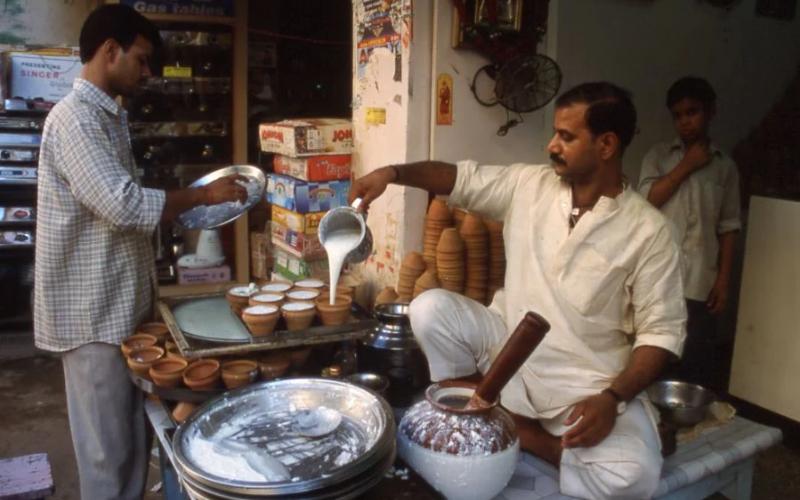
Lassi Market in India: From Cultural Staple to Commercial Success
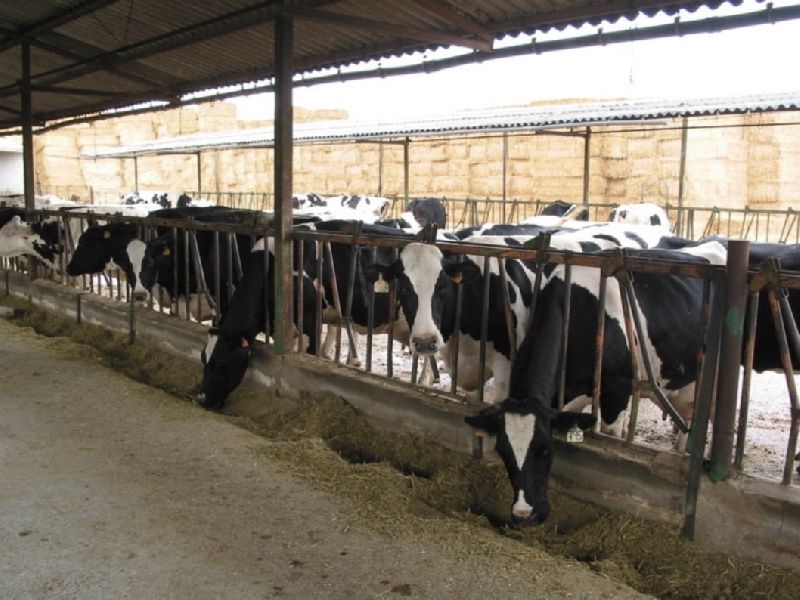
Lassi, a traditional Indian drink, is gaining commercial significance as it evolves into a branded growth category with higher margins compared to liquid milk. In the world's largest milk economy, India produced 239.3 million tonnes of milk in 2023-24, and Lassi is becoming increasingly relevant in modern retail and e-commerce sectors.
The Indian Lassi market is projected to grow from INR 65.5 billion in 2025 to INR 264.9 billion by 2034, according to IMARC, with a CAGR of 16.29%. ResearchAndMarkets provides similar growth estimates, indicating a rapid expansion of the market, albeit still a small fraction of the total dairy sector. The flexibility in Lassi's format, from chilled pouches to ambient tetra packs, and its positioning as both a traditional and functional beverage contribute to its growing appeal.
Organised dairies like Mother Dairy and Verka are capitalizing on this trend, offering Lassi in multiple formats with varied shelf lives to suit different consumer needs. The USDA reports that e-commerce growth in India, alongside quick commerce channels, is also boosting Lassi's reach, particularly during peak consumption periods like summer and the IPL.
Further driving growth is the reframing of Lassi as a health-conscious choice, with products like Amul's high-protein Lassi meeting the demand for functional beverages. The cooperative structure in India's dairy sector, with its extensive network, plays a vital role in ensuring a steady supply of milk for Lassi production.
Despite its growth, the Lassi market faces challenges such as competition from fresh, unbranded Lassi and volatility in milk prices. Nonetheless, the sector's potential is significant, with opportunities for further segmentation and premiumization of the product.