The Chinese Dairy Market is Changing: Localization, Functionality, and Digitalization Shape Demand

One of the key trends is the replacement of imported ultra-pasteurized milk with local pasteurized products. This is due to the growth of domestic production and the strengthening position of national producers. As a result, imports are gradually losing their share in basic categories.
The cheese segment in China remains closely tied to the food service sector. More than half of the consumption is formed in B2B channels, primarily through fast-food chains, pizzerias, and tea houses. Simultaneously, premium bakeries are stimulating demand for butter, creating a separate niche with high added value.
Meanwhile, the demand for dairy products in China is increasingly defined by functionality rather than habit. About 34% of consumers focus on the nutritional value of the product, and another 25% pay attention to the presence of organic certification. The dairy category is ceasing to be basic and is becoming part of the health product segment.
A significant influence on the market is the high prevalence of lactose intolerance — it is characteristic of approximately 65% of the adult population. This stimulates the development of alternative categories: it is forecasted that the market for plant-based and lactose-free alternatives will reach $19.16 billion by 2033.
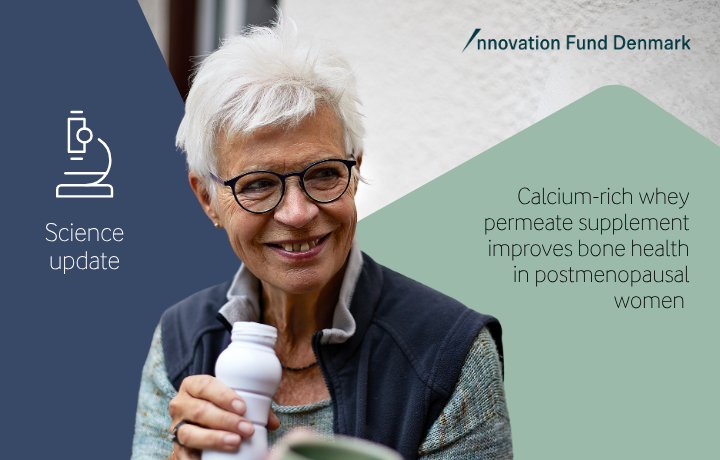
Additional segmentation is formed by demographic changes. The aging population increases the demand for specialized products — powdered milk with added calcium, probiotics, and collagen. At the same time, new niches are emerging, such as milk for pets, where major players, including Yili, are already operating.
A substantial driver of market transformation remains digital platforms. Algorithmic recommendations, influencer content, and e-commerce integration with social networks are forming a new consumption model. The Chinese market is becoming a benchmark for digital interaction with consumers, combining personalization, visual content, and gamification.
Against this backdrop, the global perception of Chinese brands is changing — from cheap and niche to innovative and technological. East Asia is solidifying as a center of consumer trends impacting the global industry.
For international companies, this means the necessity to adapt strategies: strengthening partnerships with local players, developing mobile sales channels, focusing on unique product properties, and investing in brand visual communication. In the context of increasing competition, these factors become key to retaining and expanding their share in the world's largest dairy market.