India Upholds Dairy Tariffs in Trade Agreements to Protect Farmers
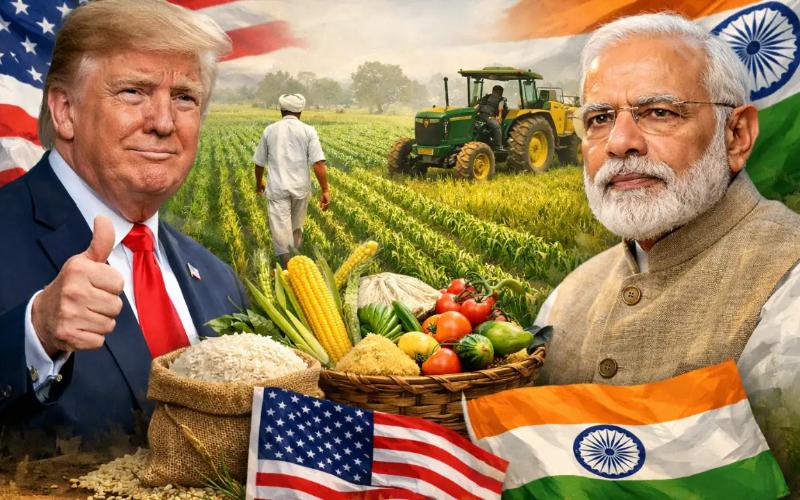
India has taken a firm stance on retaining its dairy tariffs within the framework of free trade agreements (FTAs). The country is prioritizing its domestic dairy industry, ensuring that local farmers are shielded fr om competitive pressures posed by international markets. This decision is part of a broader strategy to support the Indian agricultural sector, which is a significant contributor to the national economy.
The Indian government’s decision to maintain these tariffs has been a subject of negotiation in trade discussions, particularly with countries that are major dairy exporters. These countries have been keen on gaining access to the Indian market, which is substantial given its large population and growing demand for dairy products.
Despite external pressures, India remains steadfast in its policy, emphasizing the importance of safeguarding small and marginal farmers who are integral to the rural economy. The government views the protection of the dairy sector as essential to maintaining rural livelihoods and ensuring food security.
India's position on dairy tariffs reflects its broader trade policy, which often involves balancing market access with domestic economic stability. The decision underscores the country's cautious approach in negotiating FTAs, wh ere agricultural interests frequently take precedence.
As trade talks continue, India’s commitment to its dairy tariffs sends a clear message about the country's priorities in international trade and its dedication to supporting its agricultural communities.