Geopolitical Tensions Over Feta Cheese Affect Global Dairy Trade
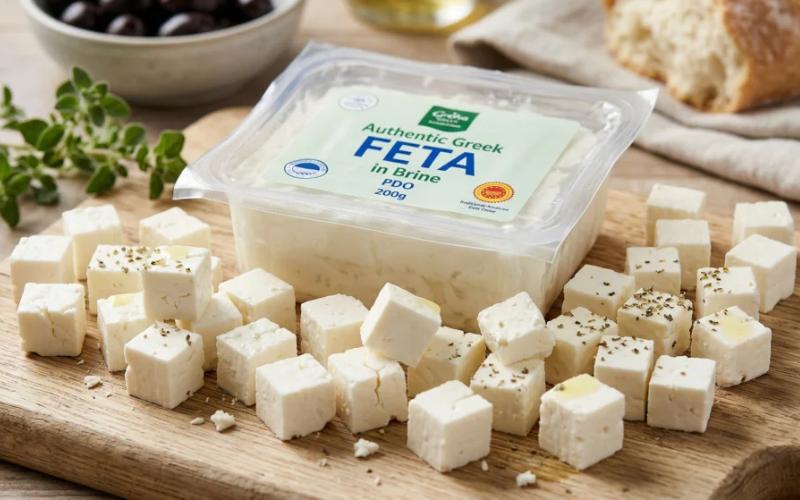
The ongoing disagreement over the designation of Feta cheese has become a central issue affecting international dairy trade. This conflict has emerged from a regional trademark dispute into a broader trade challenge, as the United States threatens to impose a 50% tariff to challenge the European Union's Protected Designation of Origin (PDO) framework. The European Union faces the task of defending its cultural heritage while navigating a $3 billion dairy trade deficit with the U.S. and retaliatory duties from China.
Central to this dispute is the legal definition of 'Feta.' Greece has exclusive rights to the name within the EU since 2002. However, the U.S. National Milk Producers’ Federation contends that such geographical indications act as non-tariff barriers. In response, Washington is prepared to impose significant duties, potentially impacting Greek cooperatives like the Kalavrita cooperative, which exports 8% of its 140,000-tonne annual production to the U.S.
In an effort to mitigate Western pressure, the EU is diversifying its trade portfolio, notably through a recent trade agreement with Australia. This agreement is expected to increase EU export volumes by 33%. However, the EU has reportedly made concessions on geographical indications, allowing Australian producers to use European cheese names, which may set a precedent for future negotiations.
For India, the Feta dispute serves as a case study in the value of geographical indications. As India engages in Free Trade Agreement negotiations with the UK and EU, the situation highlights the potential trade-offs in protecting dairy designations. Additionally, China's recent 42.7% retaliatory duties on EU cheeses could open opportunities for India to import high-quality European dairy products at competitive prices.
Geopolitical posturing now significantly affects dairy trade, with commodity prices influenced by more than just traditional supply-demand factors. Exporters are advised to diversify their markets, while investors are warned of the regulatory risks associated with PDO products, as changes in trademark protections could impact margins.