US Dairy Markets Face Higher Output and Trade Barriers

US dairy markets are dealing with rising domestic milk supplies alongside changes in international trade conditions. Restrictions and bans on a range of Canadian dairy products have taken effect, with tariff surcharges reaching 50% for some import categories. The measures are part of a continuing dispute over tariff-rate quotas under the regional trade agreement.
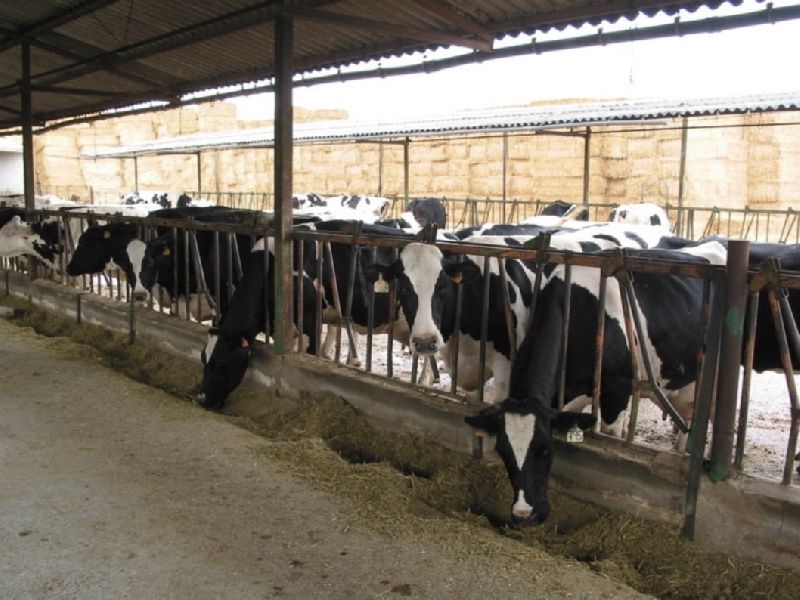
Government agricultural statistics recorded average production of 2,070 pounds per cow in August, four pounds more than in the same month a year earlier. The dairy herd across the 24 major producing states increased by 151,000 cows from a year earlier to 9.26m. The total also rose by 15,000 head in a single month.
Processors in major milk-producing regions are handling larger raw-milk volumes as the fourth quarter approaches. Drying towers, cheese plants and cold-storage facilities are operating during a period of elevated seasonal use. Surplus milk can be directed to commodity-balancing plants when processing capacity is constrained, affecting spot milk values and the discounts paid to some independent suppliers. Cooperatives are also coordinating tanker collection schedules to limit transit delays and preserve milk quality.
Manufacturers are adjusting the mix of products made from the available supply, including cheese, whole-milk powder and ingredients produced through fractionation. Plants are also managing butterfat and true-protein throughput according to buyers' specifications. These operating requirements come as export access is being altered by the measures affecting trade with Canada.
US dairy exporters have developed commercial partnerships in Southeast Asia, Latin America and the Middle East after years of tariff friction with China. Recent bilateral negotiations have placed dairy products among the sectors being considered for tariff reductions. The source identifies high-protein dry whey, permeate and technical-grade lactose as products that could be sold to Chinese processing buyers if commercial access is restored. Canadian barriers, meanwhile, have required processors near the northern border to redirect finished products towards domestic retail markets.
Higher output is also affecting farm finances. Larger herds raise revenue potential but increase spending on feed, heifer development and herd health. Updated government forecasts call for greater total milk production in both 2026 and 2027. Agricultural lenders are monitoring liquidity and debt-service coverage as wholesale commodity prices affect operating cash margins. The dairy sector is also managing tariff-rate-quota disputes and negotiations over international market access while handling the additional milk supply.