EuroTier 2026 to Showcase AI and Robotics Solutions for Livestock Farming
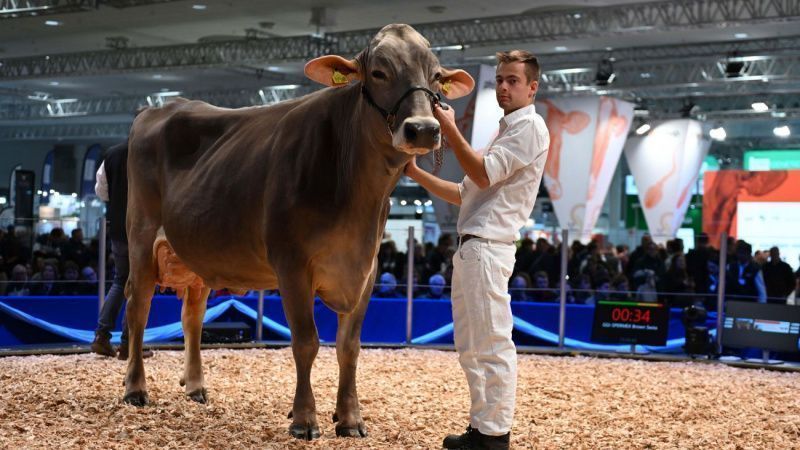
The exhibition will be held under the guiding theme “Intelligence in Animal Farming.” Around 2,100 exhibitors from 55 countries are expected to participate. The exhibition will occupy 13 halls.
The industry discussion will focus on how farms can increase productivity without compromising animal health, welfare or environmental performance. According to the organizers, sustainable growth should be based not on maximizing production inputs but on improving feeding, housing, veterinary control and herd management.
“A farmer cannot be in the barn 24 hours a day. Sensors, cameras and AI-supported monitoring systems help identify changes in animal activity, feed intake and behaviour at an early stage. But technology alone is not the answer. The real value comes when farmers can turn that information into better management decisions that improve animal health, productivity and overall farm performance,” said Nicola Bock, DLG Project Manager for dairy and cattle production.
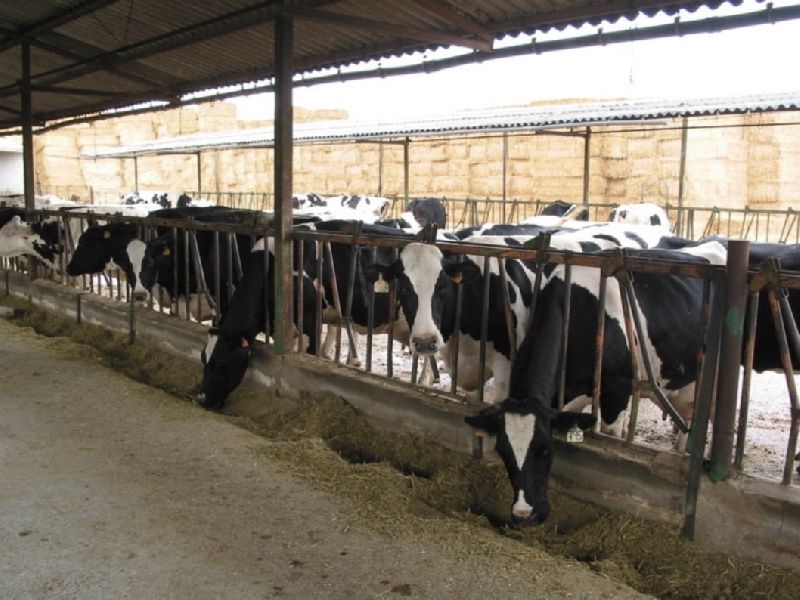
In dairy farming, digital systems can combine information on milk yields, milk quality, body weight, age, health status and the feeding behaviour of cows. Analysis of these data can help identify deviations before clear signs of disease or declining productivity appear.
Higher productivity among healthy animals can also improve resource-use efficiency. A cow’s fixed feed and energy requirements are then distributed across a larger volume of milk, which can reduce resource consumption and greenhouse-gas emissions per kilogram of product.
At the same time, the organizers emphasize that increasing milk yields should not be reduced to raising the proportion of concentrates in the ration. Sustainable results depend on the quality of forage and feed ingredients, ration homogeneity and consistent feeding management.
A separate section of EuroTier 2026 will focus on the automation of milking, feeding, manure handling and barn cleaning. Automated systems can perform some repetitive operations while simultaneously collecting data on animals and production. This can reduce manual labour requirements and allow employees to devote more time to herd observation.
However, the economic efficiency of automation depends on the conditions of each individual farm. For example, introducing automated feeding may require significant investment, a suitable building layout and modifications to existing infrastructure. Technology selection should therefore take account of herd size, production organization and the farm’s capabilities.
According to DLG, the greatest benefits come not from individual devices but from integrating sensors, cameras, robots and management software into a single system. Such integration makes it possible to receive real-time data and move from analysing past events to more proactive management of animal health and productivity.
The exhibition will also host the Barn Robot Event. Visitors will be shown automated milking systems and options for their use in farm renovation projects, new barn construction and the management of large dairy herds.