UK's Ambitious Climate Goals Demand Reduction in Meat and Dairy Consumption
The UK government has set a legally binding goal to reduce carbon emissions by 87% by the year 2040, as announced by Energy Secretary Ed Miliband. This ambitious target is seen as one of the most stringent globally and is part of the broader objective to reach Net Zero emissions by 2050.
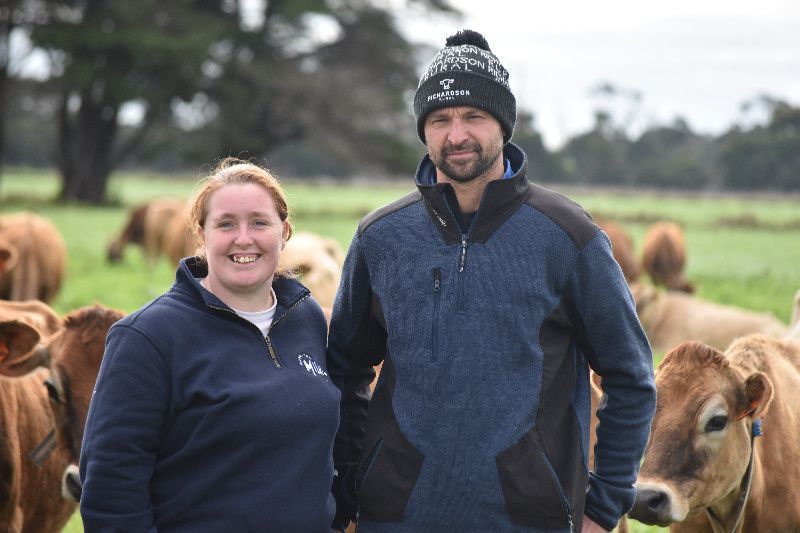
The Climate Change Committee (CCC) recommended this new target, which includes significant lifestyle changes for UK households. Specifically, families are encouraged to reduce meat consumption by 25% and dairy by 20% from 2019 levels. These changes are part of a comprehensive plan that also involves transitioning to electric vehicles and installing heat pumps to replace traditional boilers.
This recommendation follows previous CCC advice that expansion plans for Heathrow Airport would breach carbon budgets set under the Climate Change Act 2008. The CCC's pathway outlines that, while flying may continue at nearly current levels, dietary and energy use changes are crucial for emission reductions.
Despite the UK's emissions being less than 1% of the global total, the government is committed to these measures. The Labour Party, currently in power, supports these targets, emphasizing the importance of energy security, investment, and future competitiveness of the UK.
However, there is political resistance. Both the Conservative Party and Reform UK have criticized these policies, pledging to abolish such targets if they gain power. Shadow energy secretary Claire Coutinho argued that these goals would financially burden households, suggesting they would lead to higher energy bills.
The CCC's seventh Carbon Budget for 2038-42, which sets a five-year cap on emissions, will soon be up for a parliamentary vote. This impending legislation aims to ensure the UK remains on track to meet its climate commitments, despite concerns about the limitations it may place on future governments.