Tetra Pak Study Highlights Emission Reductions from Upgraded Dairy Equipment
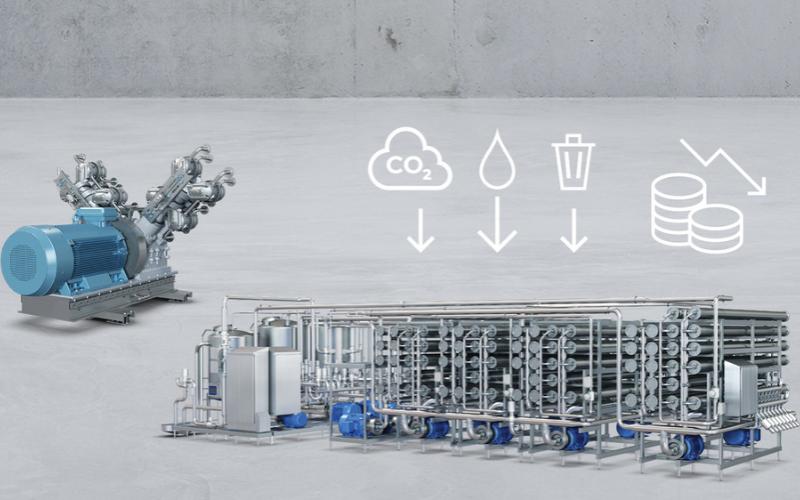
A recent study conducted by Tetra Pak indicates that upgrading existing dairy processing equipment lines could significantly reduce greenhouse gas emissions by 40-49%, depending on the specific line type. These reductions are achievable without the need for a full-line overhaul, utilizing currently available solutions. The study, reviewed by the Carbon Trust, provides a comprehensive Dairy Processing Impact Assessment using a methodology that aligns with leading international frameworks for quantifying avoided emissions.
The assessment compares the best-practice equipment lines of 2019 with the potential emission savings a global rollout of upgraded lines might achieve by 2025. The global dairy sector, which contributed to 2.7% of global greenhouse emissions in 2023, could benefit substantially from these upgrades. The study estimates that modernising equipment can lead to average reductions of 47% in emissions, 45% in water use, and 57% in product losses. If implemented globally, such modernisations could result in up to 12.7 million tonnes of CO₂ equivalent savings, comparable to removing three million cars from the road.
Additionally, water saving and recovery solutions, including advanced filtration and cleaning in place systems, could reduce water use in dairy production by up to 455 million cubic metres annually. Rodrigo Godoi, Vice President of Processing Portfolio Management at Tetra Pak, stated that these improvements could enhance efficiency and reduce costs without significant disruption. Furthermore, supportive policies and financial incentives could help overcome investment barriers, facilitating broader adoption of these technologies.
Veronika Thieme from the Carbon Trust emphasized that assessing avoided emissions provides crucial insights into the carbon savings that these solutions can achieve, offering a data-driven foundation for scaling these practices across the industry.