Global Dairy and Plant-Based Brands Drive Protein Innovation
The global dairy and plant-based sectors are experiencing a surge in protein-focused innovation as consumer demand shifts towards functional nutrition and convenience. Companies are expanding their portfolios to include products that not only offer high protein content but also incorporate probiotics and fiber, catering to health-conscious consumers.
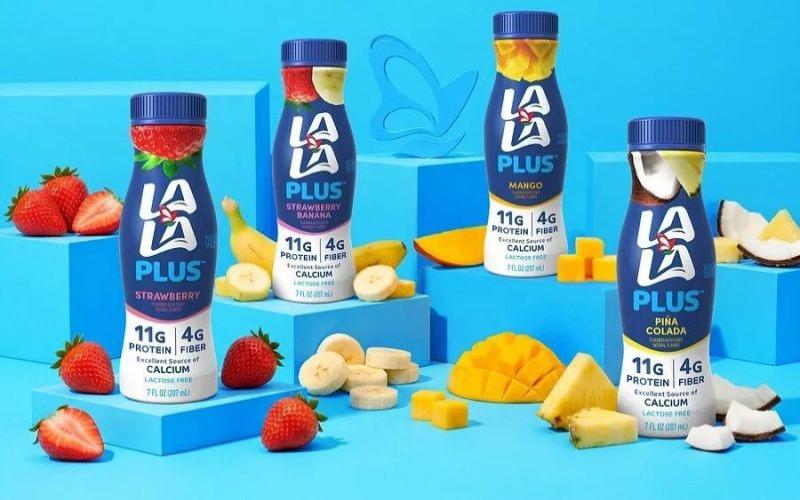
In North America, Lala US has introduced protein smoothies under its Lala Plus range, providing 11 grams of protein and active probiotics in lactose-free formulations. Similarly, Lactalis USA has enhanced its cheese snack offerings with Kraft Natural Cheese protein sticks that contain 17 grams of protein per serving, catering to the growing interest in portable and nutritious snacks.
Functional dairy snacking is gaining traction with products like Bel Brands USA's Babybel Pro cheese snacks, which feature both protein and probiotic cultures. Boar’s Head Brand has diversified into the dessert category with Greek yogurt-based dips, highlighting the trend towards probiotic-enhanced dairy products.
Lactose-free innovation remains a significant trend. Lactaid has launched coffee creamers with simplified ingredients, aimed at consumers who prefer digestive comfort without compromising on taste.
In the plant-based segment, competition is intensifying with Danone North America expanding its Silk brand to include protein-enriched plant beverages that are high in fiber and low in sugar. Ripple Foods has introduced organic pea-protein milk, marketed as a higher-protein alternative to traditional almond beverages.
Traditional dairy processors are also investing in advanced technologies for filtration and nutritional enhancement. Organic Valley and Maola Local Dairies have released ultrafiltered milk products, offering increased protein levels, reduced sugar, and digestive health benefits through prebiotic fibers.
Across the industry, there is a consensus that protein fortification, gut health, and lactose-free positioning are key growth drivers for the future of value-added dairy products.