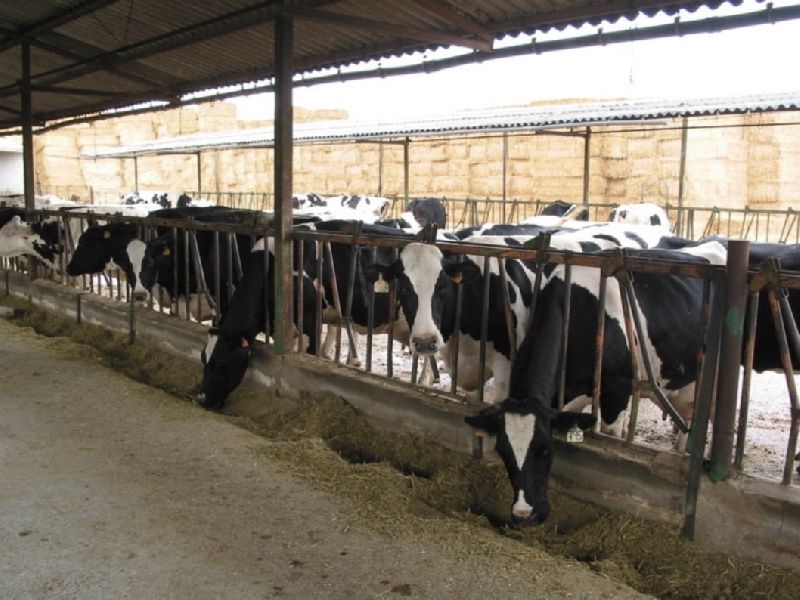
Robotic Milking Fails to Offset Milk Price Slump
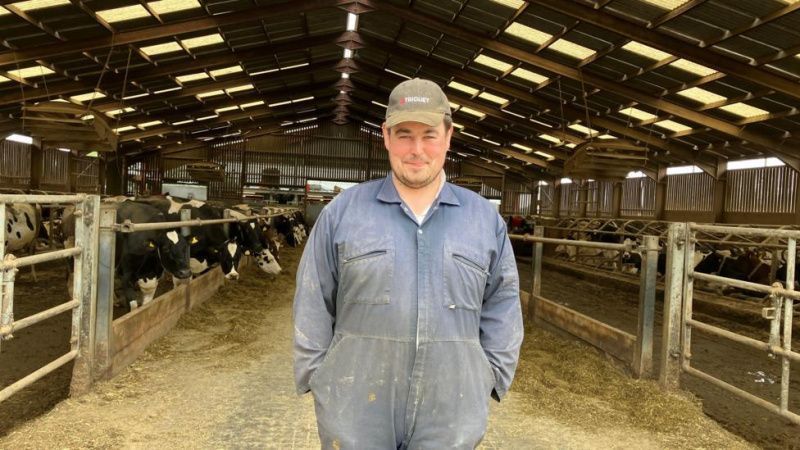
Paul Rowland, a dairy farmer from Nuneaton, Warwickshire, invested £300,000 in robotic milking units at Ladywood Farm to ensure the sustainability of his business. However, a global downturn in milk prices has significantly impacted his earnings, leaving him with only £100 a week.
Initially, Rowland was optimistic that the robotic milking technology would pay for itself within seven years, allowing for increased efficiency and production. Yet, the situation changed as milk prices sharply declined after Christmas, influenced by an oversupply in the global market. Both Europe and the United States have ramped up milk production, leading processors to be overwhelmed with supply.
Rowland's milk buyer has imposed a cap on the volume of milk he can deliver each month. This restriction has been detrimental, as the robotic milking units typically enable cows to produce more milk, which cannot be sold under the current cap. Consequently, Rowland has been forced to discard some of the milk produced.
Last month, Rowland's processor paid 32.2p per litre of milk, nearly equal to his production costs, resulting in no profit margin. He stated, "We'd have made the money back if milk prices stayed good, but now we're producing milk we can't sell."
The financial strain is compounded by Rowland's personal circumstances, as he has recently become a new parent. He remains in a precarious financial situation, with the investment in technology not yielding the expected returns due to market conditions beyond his control.