New Zealand Dairy Research Finds Methane Genetics Not Transferred to Cows
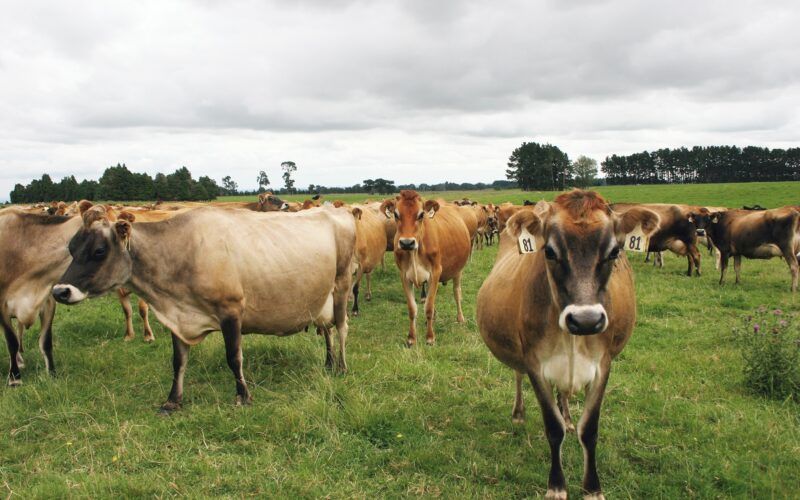
A recent study conducted in New Zealand by Livestock Improvement Corporation (LIC), CRV, and the Ag Emissions Centre has revealed that bulls genetically proven to produce low methane emissions do not pass this trait onto their lactating daughters. The finding was presented at the Agricultural Climate Change conference in Wellington by Dr. Richard Spelman, LIC's chief scientist. This research aimed to identify bulls with low methane emissions with hopes that such traits would be inherited by their progeny, thereby reducing greenhouse gas emissions in dairy production.
The research, which began five years ago, involved selecting two groups of sires based on their methane emission levels and mating them to produce approximately 400 heifers. However, despite initial promising results in young bulls, the low emission trait did not persist during the cows' lactation phase. The experiment was costly, with each animal test costing between $4,000 and $5,000.
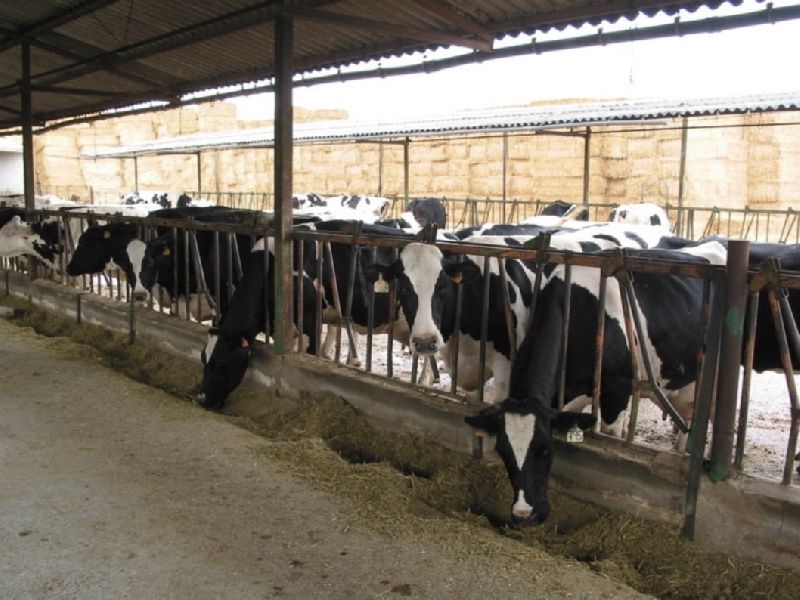
During the testing, cows were housed in barns to accurately measure feed intake and methane emissions, as this setup prevented variables such as feed intake from pasture affecting the results. Despite these measures, the anticipated genetic trait was not observed in the lactating cows.
Dr. Spelman noted that about 20% of emissions in lactating cows are influenced by genetics, and further research is needed to determine why these traits were not inherited. The research team plans to expand their studies to measure thousands more animals, aiming to develop DNA-based tools to identify low-emission cows and sires.
Spelman emphasized that genetics is a long-term strategy, and the path to reducing methane emissions in dairy cattle may take longer than initially expected. The research continues in hopes of offering beneficial genetic solutions to farmers in the future.