India Maintains Stance on Dairy Tariffs in Global Trade Agreements
India has steadfastly refrained from offering tariff concessions in the dairy sector under any of its free trade agreements (FTAs), including those with the European Union, the UK, Australia, and New Zealand, as confirmed by Union Minister of Commerce and Industry, Piyush Goyal. This policy is designed to safeguard the interests of small and marginal farmers who dominate the Indian dairy landscape.
During a news briefing, Goyal emphasized that India's dairy sector consists largely of farmers with limited landholdings and low production capacities. He stated, "India has had a very consistent stand in all our FTAs across the world... Never has India opened the dairy sector." This approach is intended to protect domestic farmers from competition with large-scale dairy farms found in countries like the United States, Australia, and New Zealand.
Despite this protective stance, India allows foreign companies to import raw materials for processing and re-export, provided that the products do not enter the domestic market. This arrangement aims to enhance foreign exchange revenues and create job opportunities without undermining local producers.
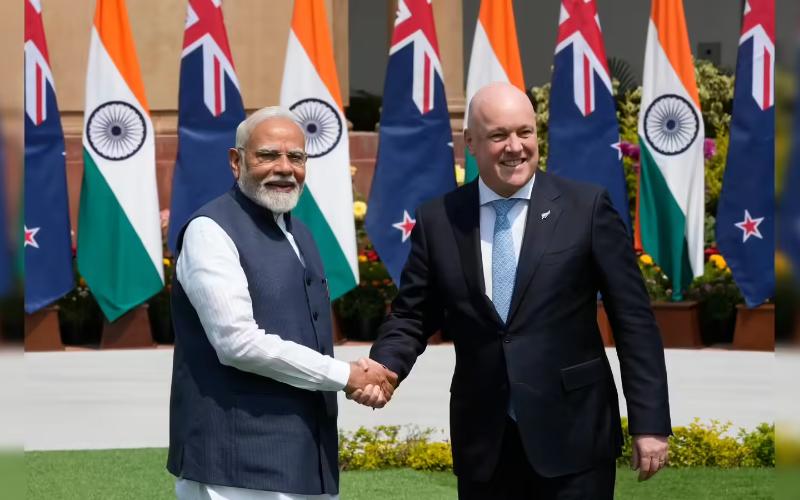
In the recent India-New Zealand trade agreement, both nations have agreed on an investment framework that permits New Zealand firms to bring in dairy raw materials for processing and re-export, ensuring the domestic market remains unaffected. New Zealand, recognized as a leading global dairy exporter, recorded dairy exports to India totaling USD 1.07 million in the fiscal year 2025.
Additionally, India has agreed to quota-based duty concessions on specific dairy products from New Zealand, such as Albumins and bulk infant formula. Tariffs on these products will be phased out over a period of seven years, according to statements from New Zealand's Foreign Affairs and Trade ministry.