Heatwaves Cause Significant Drop in UK Milk Deliveries
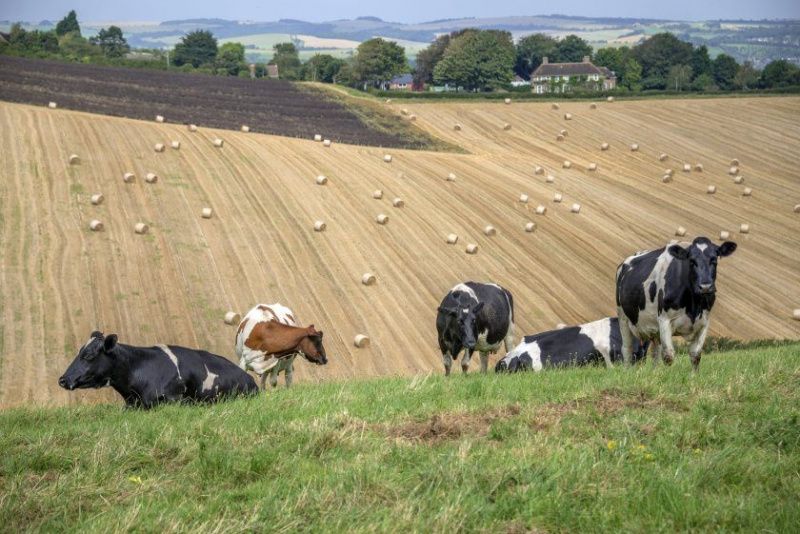
During the heatwaves in May and June, UK dairy farms delivered approximately 25 million fewer pints of milk, marking the first significant heat-related disruption in 19 years of recorded delivery data. Analysis by the Energy and Climate Intelligence Unit (ECIU) revealed that record temperatures coincided with the largest single-day drops in farm milk deliveries since 2008.
On May 26, deliveries fell nearly 4% below the previous week's average, resulting in an estimated shortfall of 3.2 million pints. The cumulative shortfall during the May heatwave was estimated at 8.3 million pints. Similarly, on June 26, deliveries decreased by 4.3%, equivalent to 3.3 million pints, with a total shortfall of 9.4 million litres, or 16.5 million pints, over the nine-day period in June.
The figures represent milk that was undelivered compared to usual production patterns, rather than milk that was produced and wasted. Despite the decline, the ECIU clarified that this situation did not constitute a national supply crisis but suggested that extreme heat could become as much a risk to dairy production as severe cold.
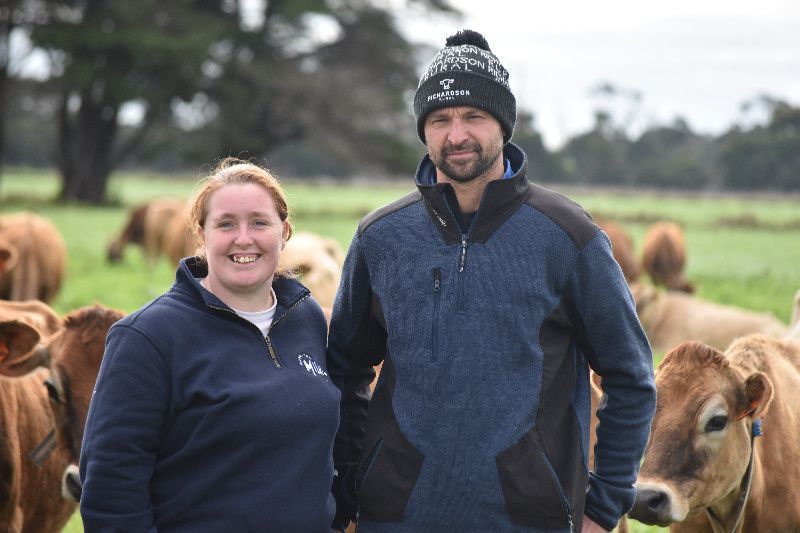
May usually sees the peak of UK milk output, with typical delivery increases of 2% to 4% over April. However, in May 2026, the rise was only 0.08%. Leicestershire dairy farmer Ruth Grice noted that the heat visibly affected her herd, as cows prioritized staying cool over milk production, impacting both yield and fertility.
Efforts to mitigate the heat's impact included creating additional shade with hedgerows and trees, although prolonged dry conditions posed challenges to new planting. Technological solutions such as fans in sheds were considered but noted as costly.
The Cold Chain Federation highlighted that much of the UK’s refrigerated infrastructure, with around half of facilities over 20 years old, was not designed for temperatures nearing 40°C. Policy manager Maddy Coupe emphasized that rising temperatures force these systems to work harder to maintain food safety and quality.
The ECIU stated that every major weather-related disruption in the past 19 years was linked to extreme cold. The recent heat-related decline suggests that dairy farmers and the supply chain may need to prepare for more severe pressure during future heatwaves.