H5N1 Virus Transmission Identified in California Dairy Farms
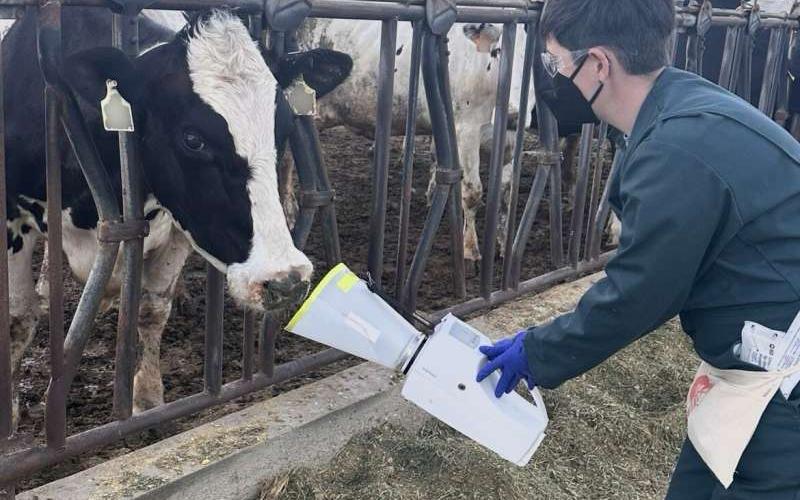
The recent study conducted by A. J. Campbell and colleagues, published in PLOS Biology, highlights concerning findings regarding the spread of the H5N1 virus on dairy farms in California. The research points to the presence of the virus not only in cow's milk but also in the air within milking parlours and in farm wastewater and manure lagoons. This suggests that farm workers may be at risk of inhaling the virus, and migratory birds could play a role in spreading it further.
Dr. Joseph Neary from the University of Liverpool emphasized the challenges posed by subclinical carriers—animals that appear healthy but are shedding the virus—making the virus more pervasive than previously acknowledged. The discovery of the N189D mutation, which enhances the virus's ability to bind to human-type receptors, raises concerns about potential human health implications.
Prof. Ed Hutchinson from the MRC-University of Glasgow Centre for Virus Research noted the virus's adaptation to cattle, which could increase the likelihood of it crossing over to humans. The virus has been circulating in U.S. dairy cattle for over two years, with confirmed instances in other countries such as the Netherlands, although the outbreak remains contained within the USA. The study underscores the need for further research to understand the virus's transmission routes and control its spread effectively.
The study also reveals that, despite known shedding routes, the exact infection pathways among cattle remain unclear. The potential for multiple transmission routes, including contaminated milking equipment, complicates containment efforts. Understanding these dynamics is crucial for developing strategies to manage the outbreak and prevent a possible pandemic.