‘Fertiliser for friends’: Jakarta fix quiet assurance to ease farming crisis
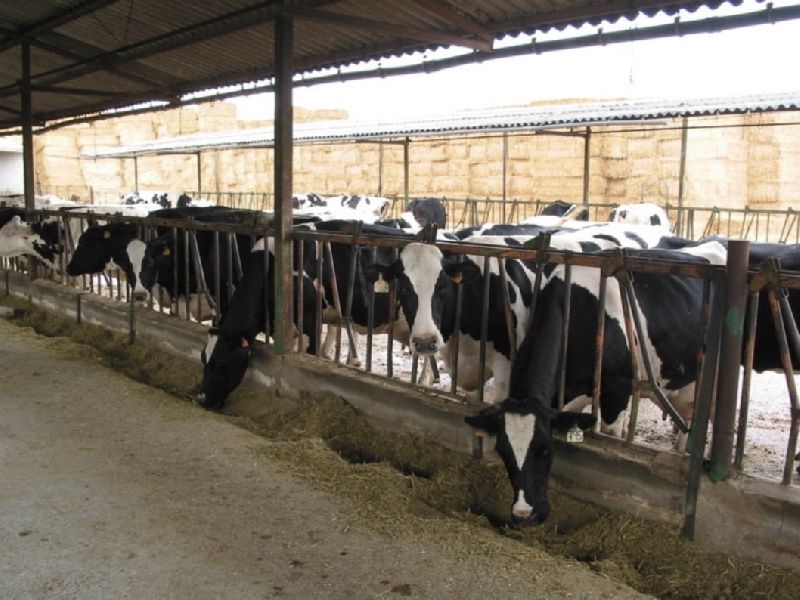
Source: Dairy Australia
Australia has secured quiet assurances from Indonesia that it will be a reliable supplier of fertiliser and urea amid critical global shortages due to the Middle East war, as farmers planting winter crops face a crisis without guaranteed access to crucial supplies.
Rahmad Pribadi, the head of Indonesia’s state-owned fertiliser manufacturer Pupuk Indonesia, told The Australian he reassured Canberra’s ambassador in Jakarta, Rod Brazier, last week after the envoy approached him over security of supply of a commodity not only vital to agriculture but also to transport.
It is the second time in recent years that Indonesia has come to Australia’s aid by ensuring essential supplies of urea, the ammonia byproduct that is a key ingredient in fertiliser and also in AdBlue, an anti-pollutant required in diesel engines used across Australia’s transportation and logistics network. Mr Pribadi said: “Food security is a shared responsibility because of our intertwined and interconnected value chain.”
“I said Australia is one of our key markets and also a friendly state. In times like these, we need friends. We definitely know in the next two months Australia will be in need of fertiliser for wheat planting. I am very sure certain quantities of fertiliser will go to Australia.” With farmers facing crippling fuel and fertiliser price hikes and shortages due to the closure of the Strait of Hormuz, the Albanese government last week agreed to key measures sought by farm groups to shore-up agricultural production.
Australia buys between 300,000 and 700,000 tonnes of urea fr om Indonesia annually, depending on the price of similar products coming out of the Middle East wh ere it now sources up to 70 per cent of its annual imports. But the ongoing war in Ukraine, Iran’s blockade of the Strait of Hormuz affecting all shipments out of that region, plus fresh export restrictions on fertiliser and urea out of China, had caused a 10 million tonne global shortage, Mr Pribadi said.
“We only have 1.5 million to 2 million tonnes of fertiliser and urea to export so we have to be more selective,” he said. “We know the needs of Australian farmers. Indonesia needs to function as a stabiliser to friendly countries, and not let speculators take control. “We would like to make clear, not just to Australia but to the world that we will be a reliable supplier and not let fertiliser be used as a political tool.”
National Farmers Federation chief executive Michael Guerin said Australia had just enough fertiliser, mainly urea, for the planting window that was underway.
But broadacre farmers had not been able to access fertiliser for their in-crop programs in winter. The lack of supply meant farmers were having to make a gamble and plant without knowing whether they could see the season through to harvest, or forgo planting altogether.
“The question mark is the incrop fertilisers, which aren’t needed for two or three months,” Mr Guerin said. “Farmers are not able at this stage to secure those fertilisers and are having to make the decision about whether to plant or not with that risk. “And in other cases wh ere they can get a hold of the diesel and the fertiliser, the price is exorbitant, so they’ll make a loss by growing those crops.
“For a young farming family for example who have debts to pay their bank, want to put food on their table at home, and keep their kids in school, it’s better for them economically to leave the tractor in the shed.” Australia almost ran out of urea during the Covid pandemic in 2021 when China – which at the time supplied almost 80 per cent of Australia’s urea – and also Russia restricted urea exports. The move not only threatened food security worldwide, but also contributed to soaring inflation.
With Australia’s national road transport fleet just weeks away from being forced to a standstill from a lack of fuel, and Australian farmers facing the prospect of drastically lower yields during a crucial crop production period, Indonesia stepped in with a 5000-tonne emergency shipment. The crisis highlighted a serious supply chain vulnerability, but also underscored Australia’s changing relationship with its most important near-neighbour.
Now, with the new crisis in the Middle East and fresh Chinese export restrictions, Australia is once again casting around for alternatives. NSW producers now in planting season are feeling the worst of the crunch, with Energy Minister Chris Bowen revealing on Monday that at least 142
service stations across the state had run out of diesel. Mr Guerin said fuel and fertiliser costs had in some cases increased by more than 100 per cent since the war began due to shortages and supply chain issues. Unless the government stepped in to underwrite the hikes through its newly established fuel and fertiliser taskforces, he warned that Australia would have a “significantly” smaller winter crop that would flow on to food availability and prices later in the year.
Mr Pribadi, a Harvard graduate, has previously spoken of the potential for Indonesia and Australia to work together to shore up food security in the neighbourhood. Trade between the two nations has almost doubled since the Indonesia Australia Comprehensive Economic Partnership Agreement came into force in 2020. But both governments are also keen to expand two-way investment.
Pupuk Kaltim, a wholly stateowned unit of Pupuk Indonesia, made an unsuccessful bid in 2024 to acquire Australia’s largest fertiliser manufacturer,
Incitec Pivot Fertilisers. Mr Pribadi said he would continue to seek opportunities in Australia “because I still believe there is a lot for both countries to gain when we collaborate”.
AUTHOR: Amanda Hodge Elizabeth Pike
It is the second time in recent years that Indonesia has come to Australia’s aid by ensuring essential supplies of urea, the ammonia byproduct that is a key ingredient in fertiliser and also in AdBlue, an anti-pollutant required in diesel engines used across Australia’s transportation and logistics network. Mr Pribadi said: “Food security is a shared responsibility because of our intertwined and interconnected value chain.”
Indonesia, Southeast Asia’s largest urea producer, buys much of its sugar, wheat and meat fr om Australia. Australia imports almost all of its urea. “It is in Indonesia’s interests for Australia to remain a strong agricultural producer and exporter because Indonesia is also dependent on Australia for certain commodities. We are very connected,” Mr Pribadi said. “That’s what I told the Australian ambassador when he visited me in my office (last week). We discussed ways for Pupuk Indonesia to ease the supply tightness of urea for Australian farmers.
“I said Australia is one of our key markets and also a friendly state. In times like these, we need friends. We definitely know in the next two months Australia will be in need of fertiliser for wheat planting. I am very sure certain quantities of fertiliser will go to Australia.” With farmers facing crippling fuel and fertiliser price hikes and shortages due to the closure of the Strait of Hormuz, the Albanese government last week agreed to key measures sought by farm groups to shore-up agricultural production.
Australia buys between 300,000 and 700,000 tonnes of urea fr om Indonesia annually, depending on the price of similar products coming out of the Middle East wh ere it now sources up to 70 per cent of its annual imports. But the ongoing war in Ukraine, Iran’s blockade of the Strait of Hormuz affecting all shipments out of that region, plus fresh export restrictions on fertiliser and urea out of China, had caused a 10 million tonne global shortage, Mr Pribadi said.
“We only have 1.5 million to 2 million tonnes of fertiliser and urea to export so we have to be more selective,” he said. “We know the needs of Australian farmers. Indonesia needs to function as a stabiliser to friendly countries, and not let speculators take control. “We would like to make clear, not just to Australia but to the world that we will be a reliable supplier and not let fertiliser be used as a political tool.”
National Farmers Federation chief executive Michael Guerin said Australia had just enough fertiliser, mainly urea, for the planting window that was underway.
But broadacre farmers had not been able to access fertiliser for their in-crop programs in winter. The lack of supply meant farmers were having to make a gamble and plant without knowing whether they could see the season through to harvest, or forgo planting altogether.
“The question mark is the incrop fertilisers, which aren’t needed for two or three months,” Mr Guerin said. “Farmers are not able at this stage to secure those fertilisers and are having to make the decision about whether to plant or not with that risk. “And in other cases wh ere they can get a hold of the diesel and the fertiliser, the price is exorbitant, so they’ll make a loss by growing those crops.
“For a young farming family for example who have debts to pay their bank, want to put food on their table at home, and keep their kids in school, it’s better for them economically to leave the tractor in the shed.” Australia almost ran out of urea during the Covid pandemic in 2021 when China – which at the time supplied almost 80 per cent of Australia’s urea – and also Russia restricted urea exports. The move not only threatened food security worldwide, but also contributed to soaring inflation.
With Australia’s national road transport fleet just weeks away from being forced to a standstill from a lack of fuel, and Australian farmers facing the prospect of drastically lower yields during a crucial crop production period, Indonesia stepped in with a 5000-tonne emergency shipment. The crisis highlighted a serious supply chain vulnerability, but also underscored Australia’s changing relationship with its most important near-neighbour.
Now, with the new crisis in the Middle East and fresh Chinese export restrictions, Australia is once again casting around for alternatives. NSW producers now in planting season are feeling the worst of the crunch, with Energy Minister Chris Bowen revealing on Monday that at least 142
service stations across the state had run out of diesel. Mr Guerin said fuel and fertiliser costs had in some cases increased by more than 100 per cent since the war began due to shortages and supply chain issues. Unless the government stepped in to underwrite the hikes through its newly established fuel and fertiliser taskforces, he warned that Australia would have a “significantly” smaller winter crop that would flow on to food availability and prices later in the year.
Mr Pribadi, a Harvard graduate, has previously spoken of the potential for Indonesia and Australia to work together to shore up food security in the neighbourhood. Trade between the two nations has almost doubled since the Indonesia Australia Comprehensive Economic Partnership Agreement came into force in 2020. But both governments are also keen to expand two-way investment.
Pupuk Kaltim, a wholly stateowned unit of Pupuk Indonesia, made an unsuccessful bid in 2024 to acquire Australia’s largest fertiliser manufacturer,
Incitec Pivot Fertilisers. Mr Pribadi said he would continue to seek opportunities in Australia “because I still believe there is a lot for both countries to gain when we collaborate”.
AUTHOR: Amanda Hodge Elizabeth Pike