Escalation in the Gulf: What Is Happening in the UAE and the Region Right Now
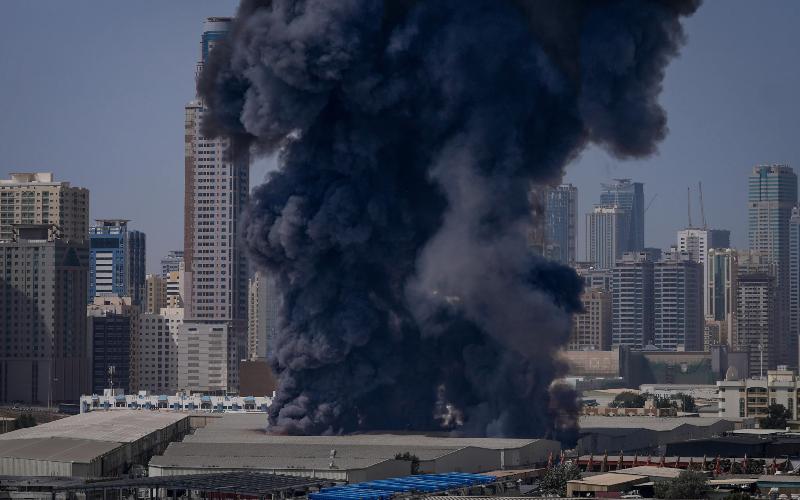
Iran’s retaliatory actions have included missile and drone launches aimed at U.S. military assets and strategic locations across the Gulf. Reports of interceptions and air defense activity have emerged from multiple states, including the UAE, Qatar, and Kuwait. While official authorities in the UAE have emphasized that defensive systems remain operational and effective, precautionary measures have nonetheless reshaped daily life.
Educational institutions across the country temporarily shifted to remote learning. Aviation routes have been rerouted or suspended. Several regional carriers have cancelled flights due to airspace instability. As a result, the UAE — one of the world’s most important aviation transit hubs — is experiencing the most significant air traffic disruption since the pandemic era.
The strategic vulnerability of the region lies largely in geography. The Strait of Hormuz remains the world’s most critical maritime chokepoint. Roughly 20% of global oil consumption passes through it daily. Even the perception of risk in this corridor can ripple across commodity markets and insurance pricing worldwide.
Beyond logistics, the psychological dimension is equally important. The UAE has long been seen as a stable commercial sanctuary within a volatile region. Direct or indirect exposure to regional military confrontation challenges that narrative. Emergency alerts, defensive interceptions, and embassy closures are signals that the geopolitical temperature has reached levels not seen in recent years.
Humanitarian concerns also extend beyond immediate security risks. Iran itself is facing internal strain — including water scarcity affecting millions — which complicates the strategic calculus. Prolonged instability risks turning a military confrontation into a multidimensional crisis: economic, environmental, and social.
Diplomatically, Gulf states face a delicate balancing act. The UAE maintains strategic security cooperation with Western allies while also sustaining complex economic ties across Asia and the broader Middle East. Escalation narrows diplomatic maneuvering space and raises the stakes for regional alignment decisions.
At present, markets remain reactive but not yet panicked. Governments appear focused on containment. The key question is duration. Short-term volatility can be absorbed. Prolonged disruption to trade routes, shipping insurance, and aviation corridors would have far deeper structural consequences.
For now, the region stands at a hinge moment — militarily tense, economically alert, and diplomatically cautious.