DKMUL Introduces Incentive to Mitigate Rising Dairy Farm Costs
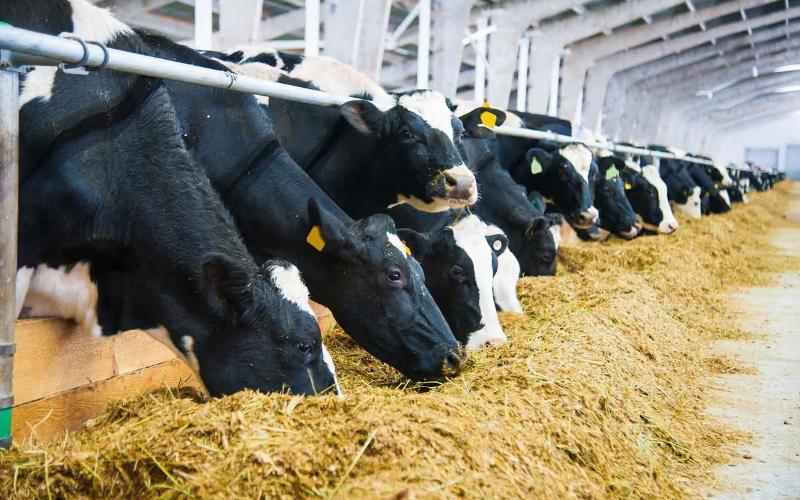
The Dakshina Kannada Cooperative Milk Producers’ Union Ltd (DKMUL) has implemented a strategic incentive of ₹1 per litre for milk, effective from February 21 to May 31, 2026. This measure is a response to the increasing cost pressures faced by dairy farmers in India’s southern regions during the summer months, which are known for fodder shortages and heat stress that typically lead to reduced milk yields.
The incentive is projected to cost DKMUL approximately ₹4.1 lakh per day, amounting to nearly ₹4 crore over the entire period. This financial commitment underscores the cooperative's effort to retain farmer loyalty while ensuring a stable supply of milk.
Union officials have highlighted severe shortages of green and dry fodder in Dakshina Kannada and neighboring districts, exacerbated by high silage costs. These factors have driven up input costs for smallholder dairy farmers, many of whom operate on thin margins. By enhancing farmgate prices temporarily, DKMUL aims to alleviate some of this economic pressure and prevent a decrease in cattle numbers due to financial distress.
The special incentive complements an existing quality bonus of ₹1.5 per litre for milk meeting specific fat and SNF benchmarks, raising the effective price for quality milk to ₹41.7 per litre. This pricing strategy reinforces the cooperative's emphasis on milk quality over sheer volume, encouraging better feeding and herd management practices among farmers.
Currently, DKMUL's milk procurement is around 4.1 lakh litres per day, which has slightly decreased from December levels due to seasonal factors. With internal demand near 5 lakh litres per day, DKMUL has been sourcing additional milk from neighboring unions in Hassan, Shivamogga, and Mandya to meet demand. The new incentive is expected to curb further declines and potentially increase local procurement to align more closely with demand.
DKMUL's initiative highlights the delicate balance that cooperative dairies must maintain between supporting farmer welfare and ensuring financial sustainability. While the increased payouts could strain the union's finances in the short term, they are seen as necessary to preserve milk flows and maintain member confidence in the long term.