Dairies face third drought year
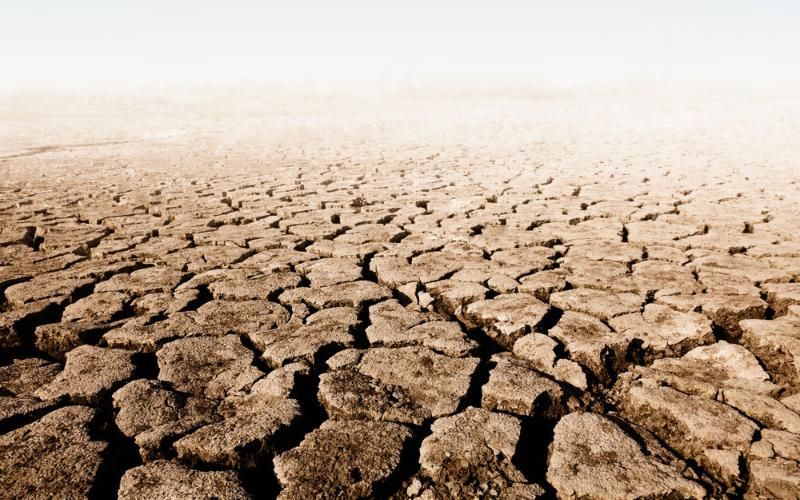
South Australia’s dairy farmers are on the brink of entering a third year of drought, an industry leader says, while fuel, fertiliser and feed costs are tightening producers’ belts.
South Australian Dairy Association president Robert Brokenshire, from Mount Compass, said the state’s dairy areas were entering a third
year of drought, as they faced falling milk production figures. Dairy Australia’s latest national milk production report showed South Australia dropped 6.5 per cent in its milk for the year to date, followed by Western Australia’s 2.8 per cent fall.
Victoria was the only other state to drop in milk production with a 1.7 per cent difference, but NSW, Queensland and Tasmania rose between 1.6 and 3 per cent. Annually, South Australia dropped 10 per cent in its milk production since February 2024. The state accounts for 5.83 per cent of the national
milk pool. “The forecast for South Australia is very dry until the end of May, and most likely below average rainfall for the rest of the year which would mean three years of drought in the high rainfall areas,” Mr Brokenshire said. “It’s having a significant impact on production, there are many farmers who have sold young stock or reduced the size of their herds because of the drought.”
“We’ve copped the drought worse than any state I think,” Mr Brokenshire said. “We’re going to need the best possible price processors can pay us, but we also know their input costs are increasing as well.” Dairy Australia analysis and insights manager Tom Youl said ongoing drought and hot weather caused higher feed costs, and farmers remained cautious with stock numbers while waiting for an autumn break.
“While favourable conditions during spring and early summer 2025 supported production during that period, it wasn’t sufficient to offset the drop in production and cow numbers during the preceding months as a result of the drought,” he said. Mr Youl expected ongoing drought recovery and fertiliser and fuel disruptions would cause production pressure to continue in the short-term.
year of drought, as they faced falling milk production figures. Dairy Australia’s latest national milk production report showed South Australia dropped 6.5 per cent in its milk for the year to date, followed by Western Australia’s 2.8 per cent fall.
Victoria was the only other state to drop in milk production with a 1.7 per cent difference, but NSW, Queensland and Tasmania rose between 1.6 and 3 per cent. Annually, South Australia dropped 10 per cent in its milk production since February 2024. The state accounts for 5.83 per cent of the national
milk pool. “The forecast for South Australia is very dry until the end of May, and most likely below average rainfall for the rest of the year which would mean three years of drought in the high rainfall areas,” Mr Brokenshire said. “It’s having a significant impact on production, there are many farmers who have sold young stock or reduced the size of their herds because of the drought.”
Mr Brokenshire said some farmers had exited the industry, while the remaining dairy farmers would need “at least” two years to recover stock and milking cow numbers. He said farmers faced urea price increases from $900 a tonne to $1350 a tonne, while booster-type fertilisers would also sit around $1350-$1450 “on top of massive fuel increases”.
“We’ve copped the drought worse than any state I think,” Mr Brokenshire said. “We’re going to need the best possible price processors can pay us, but we also know their input costs are increasing as well.” Dairy Australia analysis and insights manager Tom Youl said ongoing drought and hot weather caused higher feed costs, and farmers remained cautious with stock numbers while waiting for an autumn break.
“While favourable conditions during spring and early summer 2025 supported production during that period, it wasn’t sufficient to offset the drop in production and cow numbers during the preceding months as a result of the drought,” he said. Mr Youl expected ongoing drought recovery and fertiliser and fuel disruptions would cause production pressure to continue in the short-term.