Collaboration Boosts Sustainability at Michigan Dairy Processing Facility
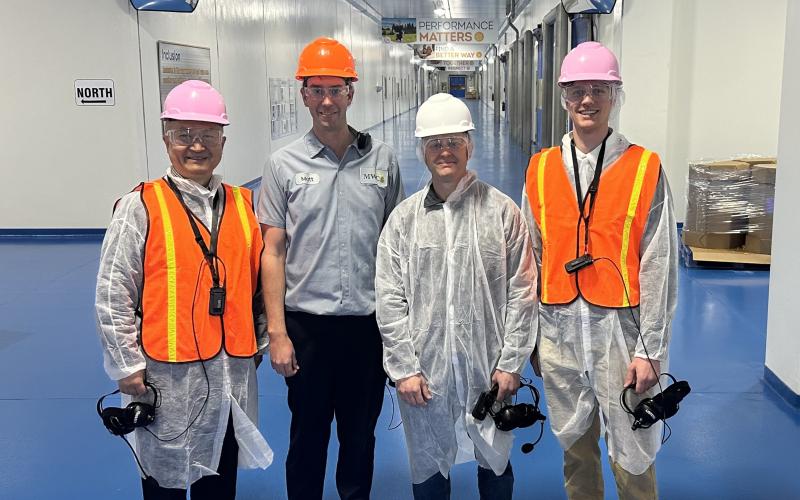
The Michigan State University (MSU) has partnered with MWC, a large dairy processing facility in St. Johns, Michigan, to advance environmental sustainability. MWC processes approximately 2.9 billion pounds of milk each year, making it a vital component of Michigan's agricultural economy. However, this scale of operation also presents significant environmental challenges, particularly in wastewater management.
MWC, a joint venture between Glanbia, Dairy Farmers of America, and Select Milk Producers, faced issues with its $25 million wastewater treatment system shortly after it began operations in 2020. The system, which includes anaerobic digestion and membrane filtration, is critical for reclaiming water used in cheese production and protecting local water resources. Instabilities such as pH fluctuations and reduced aerobic sludge activity threatened both production and regulatory compliance.
To address these challenges, MWC collaborated with MSU's Anaerobic Digestion Research and Extension Center (ADREC). Led by Professor Wei Liao, the center integrated the problem into a capstone project for biosystems engineering students. The team, guided by Carter Monson, worked with MWC to stabilize the wastewater treatment process, allowing the facility to continue operating efficiently.
MWC's leadership noted the collaboration's success in not only solving immediate issues but also in reinforcing the facility's long-term sustainability. The partnership aims to further reduce reliance on the municipal water supply by enhancing internal water recycling, potentially positioning MWC as a model for a fully circular water system in Michigan.
According to David Holmberg Jr., maintenance director at Glanbia, the collaboration with MSU was more than a consultation; it helped develop strategic solutions that could be applied practically. The partnership continues to focus on pioneering new technologies for sustainable dairy processing.