Volatility in Whey Protein Prices Stalls Major Deals in Brazil
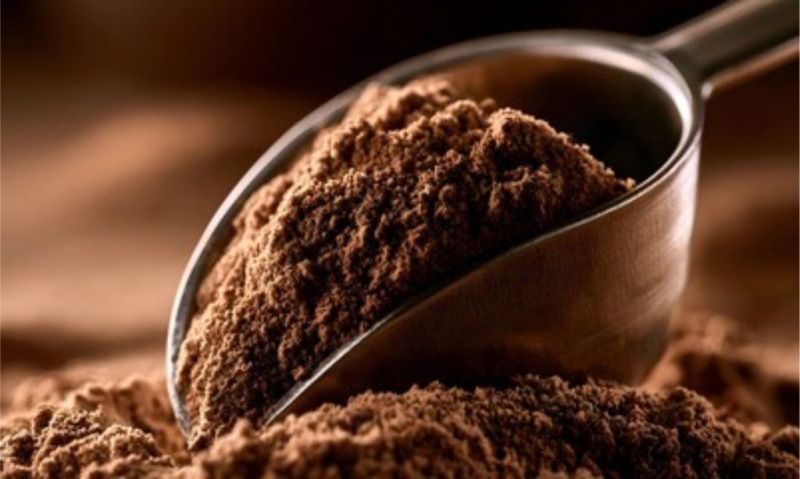
In Brazil, the fluctuating price of whey protein has significantly affected the market dynamics in the supplement sector. Growth, the largest supplement manufacturer in the country, has seen its sales process come to a standstill. Merama, a Latin American consumer brand holding, had engaged Goldman Sachs in August last year to facilitate the sale of Growth, initially valued at BRL 4 billion. However, the transaction is currently on hold.
Similarly, Grupo Supley, which owns brands such as Max Titanium, Probiótica, and Dr. Peanut, has faced delays. The company hired Itaú BBA in 2024 to explore capital-raising alternatives, including a potential IPO, but no deals have been finalized yet.
Despite these setbacks, not all mergers and acquisitions have been stalled. Deals that focus on brand and distribution rather than industrial scale have progressed. For instance, XP Private Equity II acquired a stake in the supplement manufacturer Dux for BRL 250 million last year, before the whey crisis intensified. Additionally, Grupo Ferrero, owner of Nutella, purchased Bold, a protein bar manufacturer, in March.
Danone has opted for a different strategy by expanding its production capacity related to milk. The company is investing in the expansion of its Poços de Caldas factories in Minas Gerais to meet the growing demand for protein. Local CEO Tiago Santos stated that the aim is for sales in Brazil to grow faster than those of the parent company. The YoPRO beverage, combining whey protein and casein, is now Danone's second-best-selling product in the country.
The Brazilian supplement market is substantial, with Brasnutri citing Euromonitor data indicating that the sector moved approximately BRL 7.6 billion in 2025, a 15% increase from the previous year, with projections to reach BRL 13.8 billion by 2030. Brazil ranks as the fifth largest global market for sports supplements, fourth for whey protein, and third for creatine.
Amidst higher whey protein prices, the meat processing industry sees potential in collagen, a byproduct of leather and cattle slaughter. JBS launched Genu-in in 2022 with a BRL 400 million plan and is nearing capacity at its collagen factory in Presidente Epitácio, São Paulo, prompting further expansion. Meanwhile, MBRF, which owns Sadia and Perdigão, acquired 50% of Gelprime for BRL 312.5 million and plans to invest an additional BRL 187.5 million to double its production capacity by 2030, aiming to become the world's largest collagen and gelatin complex.