Land O’Lakes says protein demand supports US dairy margins
Speaking at an on-the-record discussion in New York moderated by Time editor-in-chief Sam Jacobs, Beth Ford said US dairy businesses had commercial advantages that set them apart from much of agriculture. She identified continued consumer interest in protein and income from beef-on-dairy calves as supports for farm profit-and-loss statements. At the same time, she cited persistent labour shortages, higher input prices, increased interest rates and limited access to health insurance among producers as operational difficulties.
The number of commercial dairy farms in the United States has fallen to between 22,000 and 23,000. Milk production, however, is about 39% above its earlier level, while the number of animals has risen by only 2% to 4%. The source attributes the difference to developments including genetic selection, more precise feed management and automated facilities. Dairy operators have also used sexed semen and beef genetics as the US beef herd has contracted to an inventory level last seen in the 1950s.
Calves produced through beef-on-dairy breeding now represent about one-fifth of the US beef market, creating an additional source of farm revenue. Ford also pointed to firm sales of butterfat and continued strength in Land O’Lakes’ branded butter volumes, alongside cheese sales. She said processors had not observed a damaging change in dairy consumption linked to GLP-1 weight-loss medicines; instead, consumers were seeking foods with high protein content and relatively simple ingredients.
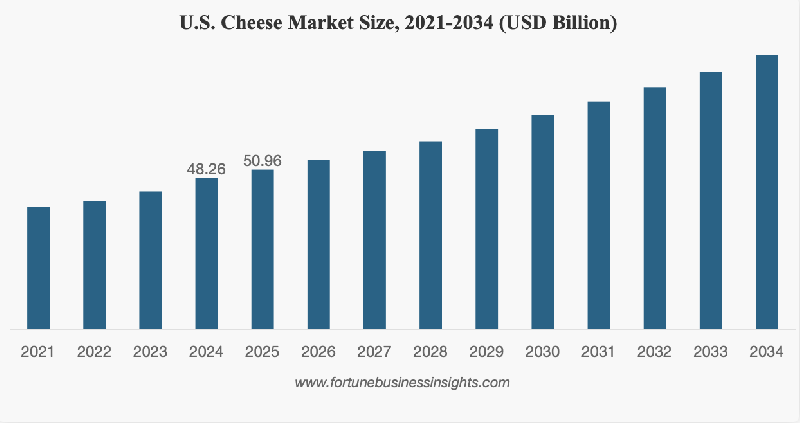
Land O’Lakes monitors price sensitivity across the retail butter range. Some shoppers are moving from premium branded butter to private-label products, blended spreads or smaller half-stick packs. US cheese consumption per person remains below levels in Western Europe, leaving scope for additional sales through food-service and industrial customers, according to the source. These consumer trends have continued during a period of broader grocery-price inflation.
Farm finances have also come under pressure from higher working-capital requirements. Across agriculture, operating input expenses increased by $15bn between February and September. Diesel prices paid by farms roughly doubled, while farm bankruptcies increased by 19% year to date. Reserve loans arranged through Land O’Lakes’ agricultural-finance division grew from about $100m in the previous year to more than $1bn in the current season. The division has used fixed-rate lending to limit borrowers’ exposure to changes in interest rates.
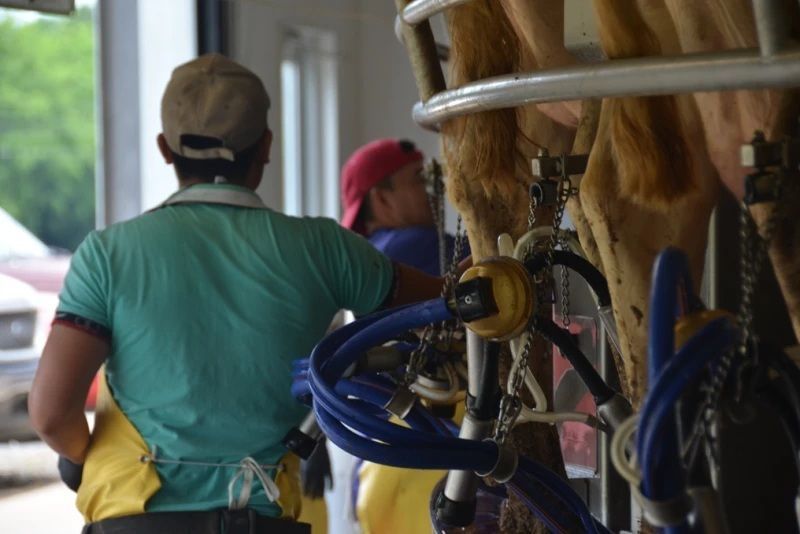
Dairy farms require round-the-clock herd management, and uncertainty over access to legal workers has encouraged some operators to invest in automated milking equipment and robotic barn systems. Ford said the Farm Workforce Modernization Act, which passed the House with bipartisan backing before stalling in the Senate, was relevant to farm planning. More than 40% of dairy farmers lack health-insurance coverage, which the source links to high policy costs and occupational underwriting risks.