The Rising Popularity and Scientific Interest in Donkey Milk Cheese
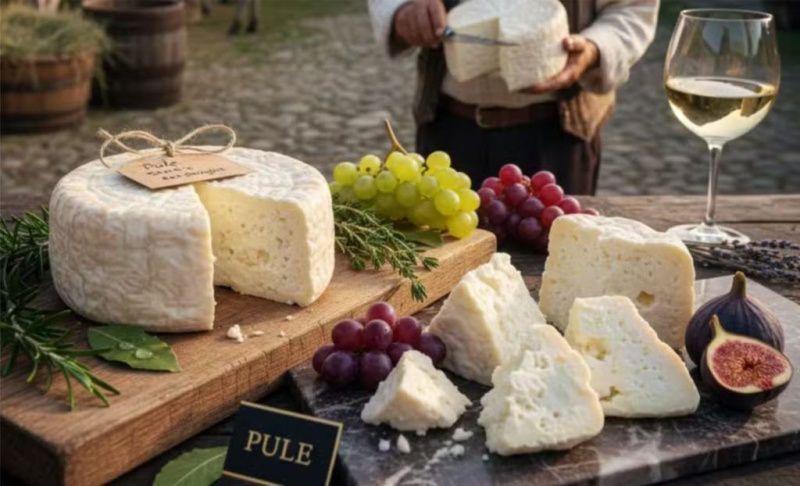
The cheese made from donkey milk, known as Pule, is increasingly recognized as a premium product, akin to caviar in the realm of luxury foods. Chef Jacqueline Martins from the Cassiano Restaurant in São José dos Campos, Brazil, mentions that Pule is often featured in elegant gatherings and special family celebrations, and is also given as a gift.
Beyond its culinary exclusivity, donkey milk is attracting scientific interest due to its unique properties. Research from Chinese and Italian scientists indicates that donkey milk shares similarities with human milk, particularly in terms of lactose content. The studies also highlight its lower fat content and higher levels of essential amino acids, taurine, and fatty acids.
Potential health benefits have been noted in these studies, including antioxidant effects, modulation of intestinal microbiota, and reductions in blood sugar and triglyceride levels. This positions donkey milk as a promising area for further scientific exploration.
The case of Pule cheese exemplifies how the premium food market is increasingly valuing not just taste, but also the story and rarity behind a product. In a global context where rarity, origin, and narrative add significant value, even producing up to 200 ml of donkey milk per day can support a luxurious gastronomic enterprise.