Sustain MENA: How Emirates Environmental Group Is Adapting to a Changing Regional Landscape
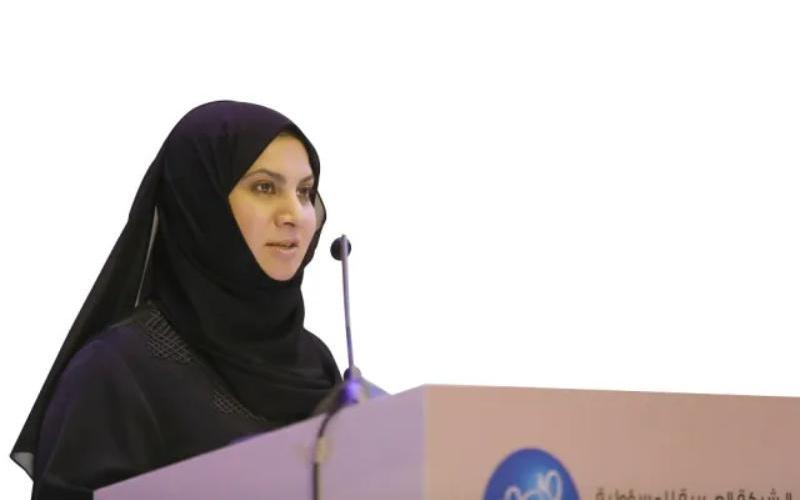
As part of its new editorial project Sustain MENA, DairyNews.today is speaking directly with companies and organizations across the region to understand how businesses are operating in today’s challenging environment. In this interview, Dr. Habiba Al Mar’ashi, Co-Founder & Chairperson of Emirates Environmental Group (EEG), shares her perspective on how recent developments have affected sustainability initiatives, how organizations are responding to new challenges, and what role environmental responsibility will play in shaping the region’s future.
How did the recent situation in the region impact your organization and environmental initiatives at the very beginning?
At the onset of the recent developments in the region, the impact was felt primarily in terms of operational uncertainty and the need for immediate adaptability. As an environmental NGO, our work is deeply rooted in community engagement, partnerships, and on-ground initiatives, all of which require a stable environment to operate effectively.
The initial phase required us to reassess priorities, adjust timelines and ensure the safety and confidence of our stakeholders, including participants, partners and team members. Several planned activities had to be reviewed, postponed, or restructured to align with the evolving situation, particularly those involving large gatherings or outdoor engagement.
However, what was critical during this period was maintaining continuity in our mission. Rather than slowing down, we shifted our approach—focusing more on strategic planning, strengthening partnerships and identifying ways to sustain momentum despite external challenges. It also reinforced the importance of resilience and flexibility in environmental work, as sustainability efforts cannot be paused even during times of uncertainty.
Overall, while the situation presented immediate challenges, it also prompted a more agile and responsive way of operating, ensuring that our environmental initiatives continued to move forward in a responsible and impactful manner.
What were the main challenges you faced in maintaining sustainability programs and partnerships during that period?
The main challenges we faced were centred around uncertainty, the willingness of stakeholders to engage effectively, and maintaining continuity and consistency of our Sustainability programmes, particularly those driven by community participation and partnerships, depend heavily on consistency and long-term commitment, while interest remained, actual attendance and commitment became less predictable.
During this period, many organisations also, understandably shifted their focus towards operational stability, which affected participation levels, decision-making timelines and resource allocation. Planning and execution also required greater flexibility, as conditions were evolving rapidly and required continuous reassessment, particularly for on-ground action programmes.
However, this period clearly demonstrated EEG’s resilience, as an organisation, we made a conscious decision not to halt our momentum. Rather than cancelling events or programmes, we adapted—reviewing formats, adjusting logistics and implementing necessary measures to ensure that our programmes could continue safely and effectively. This approach was important not only for continuity, but also in reinforcing confidence among our stakeholders.
We managed to maintain close communication with our partners and remained transparent in our planning to ensure that our initiatives were delivered with the same level of commitment and quality. This consistency helped sustain trust and engagement, even during uncertain times.
Ultimately, while the challenges were real, they also strengthened our ability to be agile and responsive. We intensified our outreach with our corporate members and rolled out online awareness raising sessions. EEG’s ability to continue delivering its programmes without interruption reflects a strong organisational commitment to sustainability, ensuring that environmental action remains a priority regardless of external circumstances.
Have you seen any changes in how businesses and communities approach environmental responsibility since the situation began?
Yes, there was a clear impact on how businesses and communities approached environmental responsibility during this period. In the initial phase, sustainability efforts were understandably affected, as many organisations shifted their focus towards immediate operational priorities, cost control and risk management. This led to slower decision-making, decline in the financial support, reduced participation in initiatives and in some cases, a temporary deprioritisation of environmental programmes.
Fr om a community perspective, engagement also declined, particularly in terms of physical participation, as individuals became more cautious and selective.
As the situation continues to evolve, we remain hopeful that businesses and communities will continue to treat sustainability not as a secondary priority, but as an essential responsibility. Even in times of uncertainty, environmental action must remain consistent, as it is closely linked to long-term resilience, resource efficiency and overall stability.
While the momentum may have slowed, the importance of sustainability has not diminished. This period serves as a reminder that sustained commitment—particularly during challenging times—is critical to ensuring meaningful and lasting impact.
From your perspective, how has the current environment affected sustainability priorities in the MENA region?
From our perspective, the current environment has had a direct impact on sustainability priorities across the MENA region, particularly in the short term. Many organisations have had to reallocate resources and attention towards operational continuity, risk management and cost control, which has, in some cases, slowed the pace of sustainability initiatives. There has also been a shift in how sustainability is approached as we saw in some extreme cases, entities cancelling their sustainability departments.
On the other-hand corporates focus shifted and rather than broad or long-term commitments, organisations are becoming more selective, focusing on initiatives that are practical, measurable and closely aligned with their core operations. This has led to a more cautious and results-driven approach, wh ere impact and efficiency are prioritised.
At the same time, the situation has reinforced the importance of resilience and sustainability is increasingly being recognised as a key component of that resilience. Issues such as resource efficiency, energy security and environmental risk management are becoming more relevant, particularly in a region that is already facing climate-related challenges.
While the current environment has temporarily affected momentum, it has also encouraged a more strategic and integrated approach to sustainability. There is a growing understanding that sustainability is not separate fr om business continuity—it is a critical enabler of long-term stability and growth in the MENA region.
Are there any new opportunities or shifts that could accelerate environmental initiatives despite the challenges?
Yes, despite the challenges, the current environment has also created important opportunities that could accelerate environmental initiatives across the region.
One key shift is the growing focus on efficiency and optimisation. As organisations reassess costs and operations, there is increased attention on reducing waste, improving resource management and enhancing energy efficiency—areas that are directly aligned with sustainability goals. This creates a practical entry point for organisations to integrate environmental considerations into their core operations.
There is emphasis on resilience and risk management, organisations are looking at sustainability not as an added initiative, but as a strategic tool to strengthen long-term stability. This is particularly relevant in the MENA region, wh ere environmental challenges such as water scarcity and climate conditions already require forward-thinking solutions.
In addition, partnerships are becoming more purposeful. Organisations are seeking collaborations that deliver tangible impact, leading to more focused and outcome-driven initiatives. This shift can improve the quality and effectiveness of sustainability programmes.
From our perspective at EEG, we also see an opportunity to reinforce the importance of consistency—continuing initiatives that feed into sustainability requirements even during challenging times does send a strong message and help maintain momentum across the sector.
Overall, while the pace may have adjusted, the direction is clearly there. The current situation is encouraging a more strategic, efficient and impact-oriented approach, which can ultimately strengthen and accelerate environmental efforts in a more sustainable way.
Looking ahead, how do you see the role of sustainability evolving in the region over the next 6–12 months?
Over the next 6–12 months, sustainability in the MENA region is likely to become more focused, practical and closely integrated into core business and policy decisions. While external pressures may continue to influence priorities, sustainability will increasingly be treated as a necessity rather than good to have initiatives.
We expect to see organisations adopting a more selective and impact-driven approach—prioritising initiatives that deliver measurable outcomes, improve efficiency and support long-term resilience. Areas such as energy efficiency, waste reduction, water management and sustainable operations will remain at the forefront, as they directly contribute to both environmental goals and cost optimisation.
At the same time, collaboration will play a critical role. Partnerships between government, private sector and civil society will become more targeted, with a stronger emphasis on delivering tangible results rather than broad commitments.
From our perspective, there will be a continued need to maintain momentum and consistency. Even in a challenging environment, organisations that remain committed to sustainability will be better positioned for future growth and stability.
Overall, sustainability in the region is expected to evolve into a more strategic, impact driven and embedded function—one that supports resilience, drives innovation and aligns closely with national and regional development priorities.
____________________________________
The Dairy MENA Congress will take place on November 5–6.
Gold Sponsor of the MENA Dairy Congress is Al Ain Farms.
Our partners: Super Food FZCO, International Dairy Federation (IDF).
If you would like to participate in the MENA Dairy Congress, please complete the registration form below: