Rising Demand for Raw Milk Spurs Debate on Food Safety and Regulation
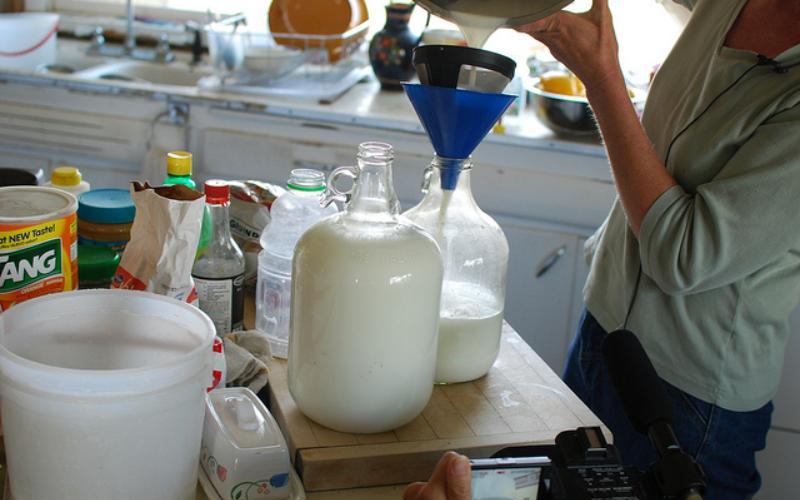
The United States is witnessing a surge in the demand for raw milk, even as health concerns persist. This rise is contributing to a heated debate over food safety protocols and regulatory guidelines for dairy products. As consumers increasingly turn to raw milk, citing its perceived health benefits, regulatory bodies are scrutinizing the implications for public health and safety.
The growing interest in raw milk comes despite warnings fr om health authorities about the potential risks of consuming unpasteurized dairy products. These risks include exposure to harmful bacteria that can lead to serious health issues. The Centers for Disease Control and Prevention (CDC) and other health organizations continue to advise against raw milk consumption due to these dangers.
As the debate continues, the dairy market is experiencing shifts in consumer preferences. This trend is indicative of broader changes in consumer dairy trends, with an increasing number of individuals seeking natural or less processed food options. The debate also raises questions about the need for updated regulatory frameworks to address this evolving market dynamic.
Industry stakeholders are closely monitoring these developments, with some advocating for stricter regulations to ensure consumer safety, while others push for more lenient policies to cater to consumer demand. The discussion around raw milk highlights the tension between consumer choice and public health responsibilities.
The issue is further complicated by differing regulations at the state level, wh ere some states allow the sale of raw milk under specific conditions, while others prohibit it entirely. This patchwork of regulations adds complexity to the national discourse on raw milk consumption and its regulation.