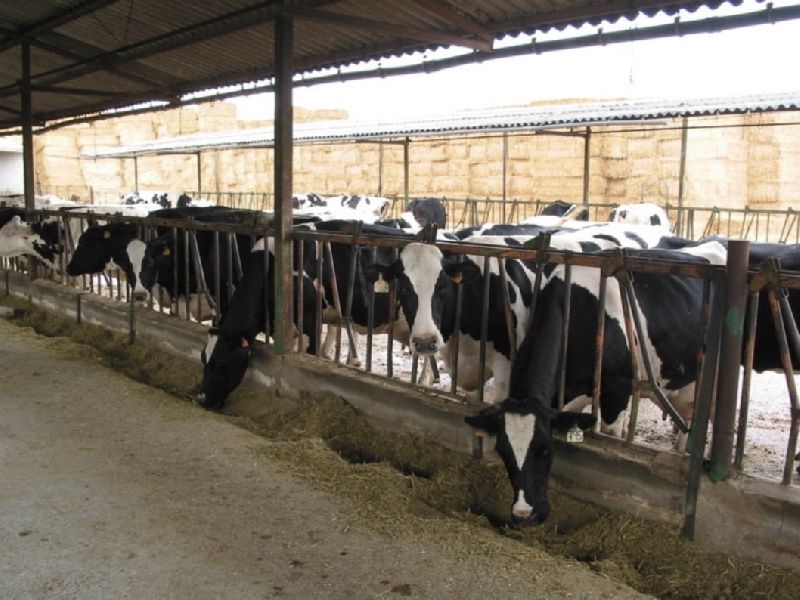
Cattle Numbers in Russia Decreased by 1.7% in the First Quarter Amid Milk Yield Growth
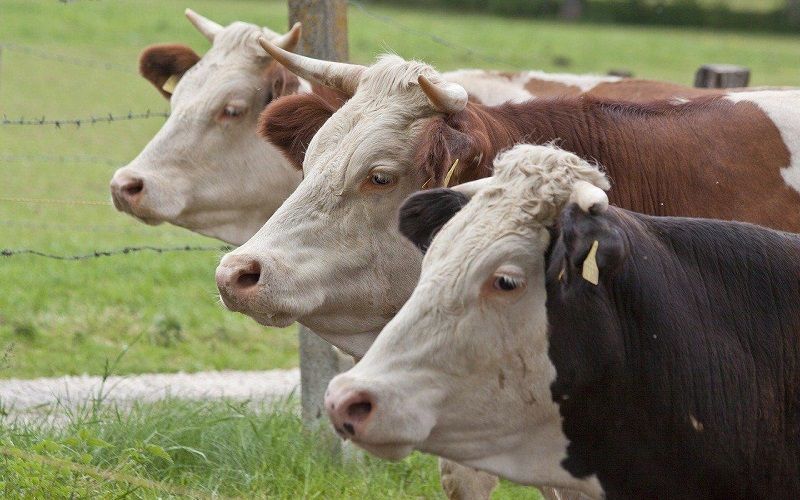
According to Rosstat data: the cattle population amounted to 7.3 million head (–0.8% year-on-year), with cow numbers at 2.9 million head (–1.7%).
The most significant reduction was recorded in Siberia: Novosibirsk region: cattle –11%, cows –13.1%, Altai Krai: cattle –1.7%, cows –6.5%.
Experts attribute the decline in cattle numbers to several factors: the exit of small and inefficient farms from the market, an increase in production costs (approximately +3% year-on-year), a labor shortage and rising resource costs, a decrease in milk purchase prices in some regions, and anti-epizootic measures.
According to Artem Belov, head of the Soyuzmoloko, the current trend aligns with the long-term trend of recent years.
Industry Consolidation
The reduction is mainly occurring in: farms, individual entrepreneurs, and personal subsidiary plots. Simultaneously, the role of large complexes is increasing, which:
- provide greater efficiency,
- replace phased-out capacities.
Growth in Productivity Offsets the Decline
Despite the reduction in herds, milk production is maintained through increased yields:
- in 2025 — +4.8%, up to 8.9 thousand kg per cow,
- in the first quarter of 2026 — +2.7%.
The industry is transitioning to an intensive model: genetics, feeding, automation. This allows for increased milk production even with a reduction in cow numbers.
Risks for the Meat Market
In the meat segment, the situation is less stable: beef production in 2025 decreased by 3.8%, prices rose by 16.2% year-on-year (up to 729.6 rubles/kg). For comparison: pork prices increased by only 6.1%.