Pennsylvania Dairy Farmers Face Rising Production Costs
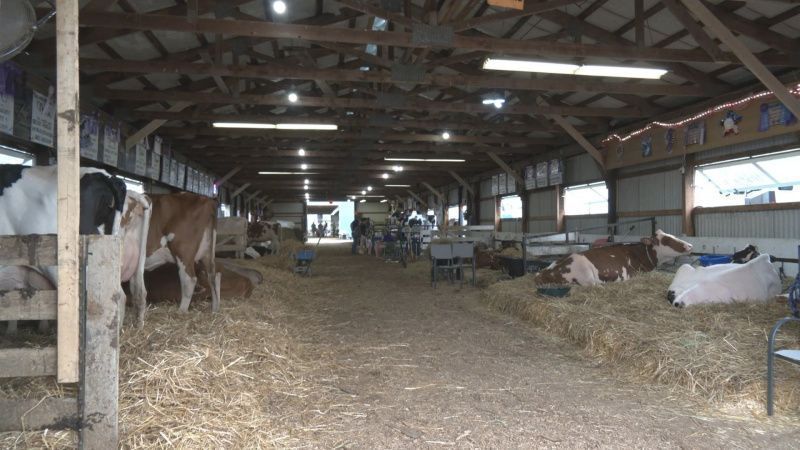
Pennsylvania’s commercial dairy producers are facing higher expenses for several core farm inputs. These include compound feed rations, forage supplements, diesel fuel and maintenance for specialised equipment. The increase has affected both family-run farms and mid-sized commercial herds.
Benchmark milk prices have recorded short-lived increases, but the national milk-to-feed price ratio remains close to multi-year lows. Rising grain prices and reduced domestic hay reserves have contributed to the pressure on producers. The ratio is a measure of the relationship between the value of milk and the cost of feed.
High ordinary operating costs are also limiting the ability of smaller and medium-sized operators to reinvest capital in their businesses. Many have debt-service obligations that were incurred during earlier periods of weaker margins, and the current cost structure leaves them with less capacity to offset those payments.
Pennsylvania’s pricing system is overseen by the Pennsylvania Milk Board. Under the state’s Milk Marketing Law, the system sets minimum wholesale and retail price floors and provides producer premiums known as over-order premiums. The framework was designed to stabilise farm income, prevent retailers from using dairy products as loss leaders and maintain continuity in processing.
The statutory mechanism also guarantees minimum margins for dairy dealers and retailers. As broader grocery inflation has led households to reduce discretionary food spending, the minimum prices set under the system have drawn scrutiny from consumers seeking lower-cost staple foods. The pressure is particularly visible among working-class and low-income households, for which higher prices for basic dairy products reduce available purchasing power.
Purchasing patterns in western Pennsylvania show greater sensitivity to price. Shoppers are increasingly choosing private-label dairy products or cutting the quantity of fluid milk they buy. Regional grocery distributors are also carrying higher logistics, refrigeration and cold-chain compliance costs. Those expenses have limited their ability to reduce retail prices even when wholesale dairy commodity markets have periodically weakened.