Pembrokeshire Dairy Farm Reduces Milk Fever with Barley Feed
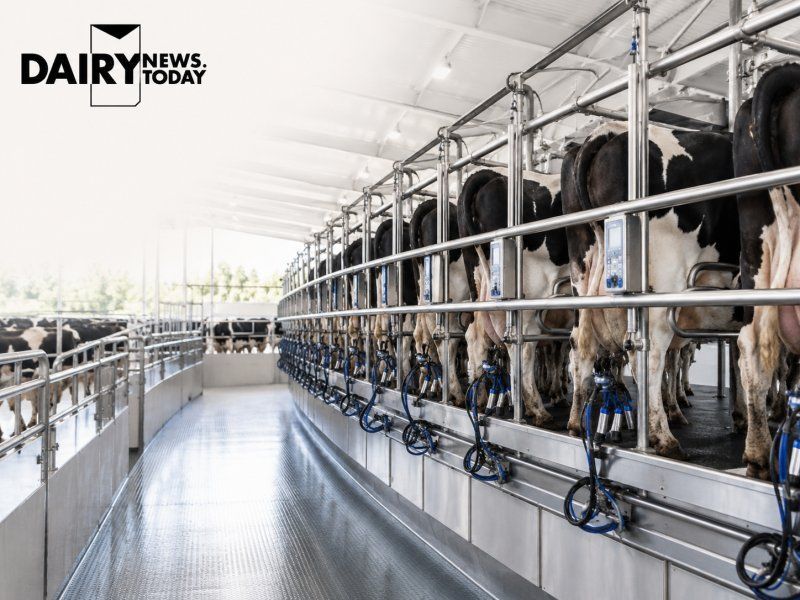
The integration of homegrown wholecrop barley into the dry cow diet has led to a notable decrease in metabolic disorders on a Pembrokeshire dairy farm. During the last calving period, Poyerston Farm in Milton reported only two cases of milk fever among its 400 high-yielding pedigree Holstein cows.
Roger Lewis, who manages the autumn-calving herd with his parents, attributes this improvement to the inclusion of wholecrop barley in the cows' diet. They cultivate around 15 hectares of wholecrop barley out of a total of 51 hectares, with the remainder being crimped. The barley crop of 2025 was analyzed to contain 35.1% dry matter, 26.5% starch, and 10.8 MJ/kg of metabolisable energy.
Wholecrop barley is advantageous due to its low potassium content compared to grass silage. Lewis grows six-row hybrid winter barley, which is drilled at a rate of 100 kg/ha and yields an average of 30-32 tonnes per hectare in fresh weight. Harvesting occurs in June using a forage harvester with a wholecrop header, cutting at a 15mm chop length.
The harvested barley is stored in a clamp for six weeks before the early calvers are housed in August. This storage period allows additives applied during harvesting to stabilize the wholecrop. The inclusion rate in the dry cow ration is 20 kg, combined with 14 kg of first-cut silage, minerals, magnesium flakes, and a blend containing Hi-Pro soya, Novapro, and rapeseed to achieve a diet with 14-15% crude protein and 1300g of metabolisable protein.
Lewis developed this feeding strategy with nutritionist Ken March from Perfekt Cow Nutrition. March emphasizes that adequate metabolisable protein is crucial for minimizing metabolic diseases and supporting smooth transitions during calving. Cows receive a slow-release trace element bolus and are managed in groups based on their calving dates.
The farm also implements a rotational cropping system that includes winter barley, Italian ryegrass, and maize. This system allows flexibility in crop selection and maximizes the use of the growing season. After the barley is harvested, ryegrass is used as a cover crop, followed by a maize crop, then the cycle repeats or transitions to longer-term grass reseeding.