Pakistan's Dairy Sector Seeks Reforms in Taxation and Productivity
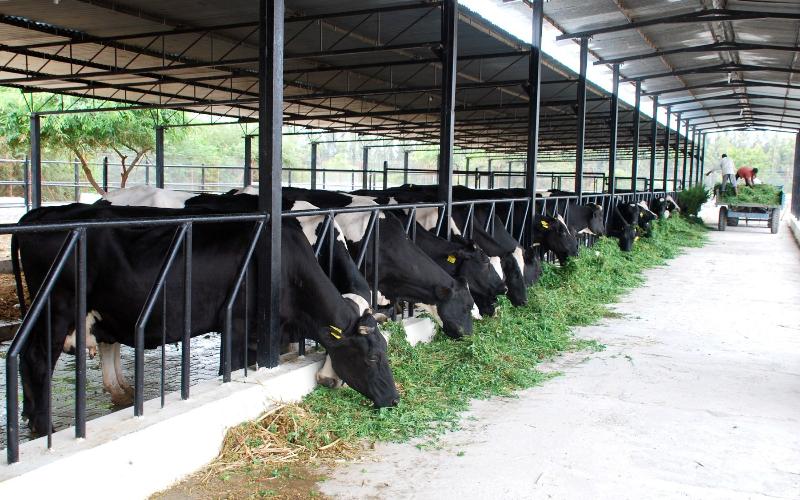
Pakistan is embarking on a comprehensive plan to reform its dairy sector, one of the largest in the world, yet predominantly informal. The country produces over 70 million tonnes of milk annually, but most of it is sold unregulated, which restricts value addition and export opportunities. The Federal Minister for Commerce, Jam Kamal Khan, met with industry representatives in Islamabad to discuss potential reforms focusing on taxation, productivity, and formalization.
During the meeting, it was highlighted that Pakistan imposes an 18% general sales tax on dairy products, much higher than many other countries. Industry representatives suggested lowering this tax to 10% to boost competitiveness. The government has called for detailed tax reduction proposals and intends to collaborate with both federal and provincial authorities to advance these reforms.
The dairy industry in Pakistan is heavily reliant on small-scale farmers and informal supply chains, facing challenges such as inadequate cold storage, low productivity, and quality issues. To address these, the Pakistan Dairy Association proposed stricter regulations to ensure that only pasteurized or properly packaged milk is sold. Financial support for farmers, better access to banking services, and investments in breeding programs are also recommended to enhance yields.
The government is committed to working with stakeholders to formulate a comprehensive plan aimed at improving productivity, enhancing regulatory compliance, and increasing the sector's economic contribution. The goal is to better position Pakistan's dairy industry to compete on a global scale, particularly in markets like the Middle East where demand for dairy products is growing.