New Zealand's Dairy Sector Faces Rapid Transformation Challenges
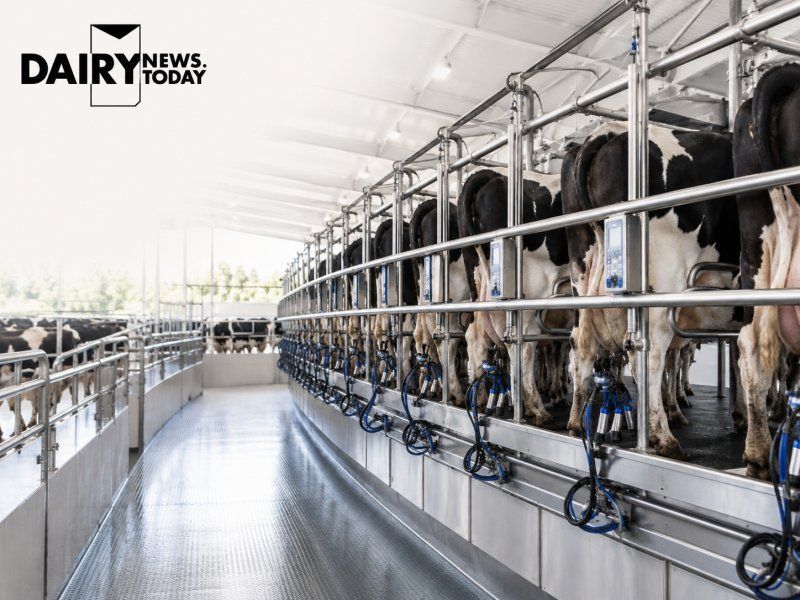
New Zealand's dairy sector has been a vital part of the national economy for generations, serving as the largest goods export sector and supporting regional communities and jobs. However, the industry is undergoing rapid changes driven by evolving consumer expectations and fast-paced technological advancements.
The sector faces increasing pressures from consumers who are more discerning and demand nutritionally dense foods that align with their life stages and ethical concerns. This shift in consumer behavior necessitates that dairy farmers adapt quickly to remain competitive.
Technological innovation is playing an essential role in this transformation. Precision farming technologies are now enabling more targeted nutrient use, which helps improve both efficiency and environmental sustainability. Advances in genetics are also contributing to increased animal efficiency, enhancing the productivity of dairy operations.
Moreover, methane reduction technologies are being developed to address environmental concerns, while nature-based solutions, such as integrating wetlands and riparian planting into farming systems, are helping to mitigate environmental impacts.
Data and environmental modeling are providing better insights into the impacts of farming at the catchment level, offering opportunities for more sustainable practices. These technological and scientific advancements are crucial for maintaining New Zealand's competitive edge in the global dairy market.
According to Campbell Parker, the DairyNZ chief executive, the sector must invest in science, innovation, and practical solutions while fostering closer collaboration between the sector, government, researchers, technology providers, and farmers. This collaborative approach is necessary to keep consumers at the heart of the sector and to adapt continuously to changing market conditions.
As the dairy sector continues to evolve, the focus will be on implementing these innovations to improve resilience, productivity, and long-term farm performance. The challenge lies in ensuring that New Zealand moves quickly and strategically enough to remain globally competitive while enhancing its environmental performance.