New Zealand Grain Growers Struggle as Dairy Farmers Choose Imported Feed
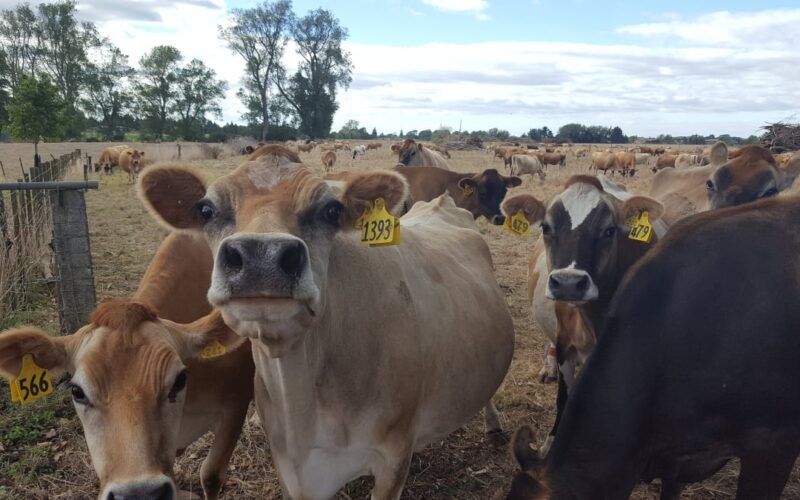
Andrew Darling, an arable operator in Mid Canterbury and vice-chair of the arable sector at Federated Farmers, described the market as “pretty disappointing”. He said domestic grain supply was not matching the pattern of demand from dairy farms in other parts of New Zealand.
Grain produced in the South Island faces the cost of moving across Cook Strait to dairy operations in the North Island. Shipping, rail and handling charges raise the delivered price of that grain, while international bulk shipments and feed byproducts can arrive directly at northern deepwater ports.
Dairy farmers operating under pressure on their margins have increasingly selected lower-priced imported feed. Imports of Australian feed barley, maize from global suppliers and palm kernel expeller, commonly known as PKE, have added to the range of products available for supplementary feeding.
Industry participants said the lower landed cost of imported commodities had pushed domestic feed-grain prices down to levels close to, or below, the cost of producing the grain locally. The price pressure has reduced cash flows for arable farms and has made it more difficult for domestic growers to compete with imported supplies.
The dispute concerns the balance between farm costs and domestic supply capacity. Dairy leaders have stressed the need to keep supplementary-feed expenses low while farmgate returns remain exposed to changes in milk prices. Arable representatives, meanwhile, have warned that a shrinking domestic grain industry would leave livestock production more dependent on overseas supply.
Those representatives identified exposure to global supply disruptions, geopolitical trade interruptions and sharp changes in international freight costs as risks associated with that dependence. The situation therefore links the purchasing decisions of dairy farms with the transport economics of New Zealand’s domestic grain market.