Military Conflict Around Iran Disrupts Global Commodity Supplies and Drives Oil Prices Up
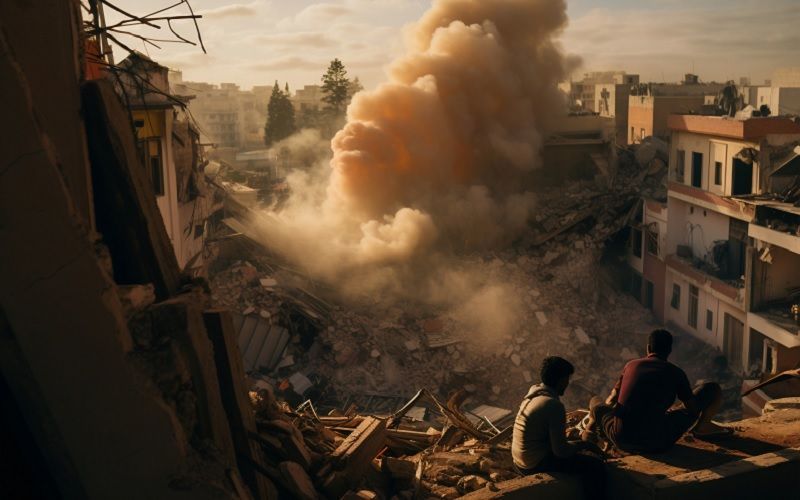
According to Reuters and the London ICE exchange, Brent crude oil prices rose 6.4% to $77.57 per barrel, reaching $82.37 during trading, showing an increase of more than 13%. U.S. WTI crude oil prices increased 6.2% to $71.17 per barrel. The rise is linked to the threat of supply disruptions through the Strait of Hormuz, through which approximately one-fifth of global oil consumption passes.
As stated by Jorge Leon, Head of Geopolitical Analysis at Rystad Energy, the effective shutdown of vessel traffic through the Strait of Hormuz is preventing approximately 15 million barrels of oil per day from reaching global markets.
The Strait of Hormuz and the Strait of Aden are two of the world's most critical trade arteries. More than 90% of oil produced in the Persian Gulf passes through Hormuz, accounting for one-third of global supplies.
Military actions have already led to the suspension of some export contracts in the region, including grain supplies. According to Yevgeny Karabanov, Head of the Analytics Committee of the Grain Union of Kazakhstan, the conflict has become a force majeure circumstance for market participants.
"We sell grain to Iran. By the end of last season, we shipped more than 1.5 million tons of barley to Iran. But now military actions are direct force majeure for all contracts. I think everything has stopped now," he noted.
Additional pressure on markets has intensified with rising prices for safe-haven assets. According to Investing.com, gold prices rose nearly 3%, exceeding $5,390 per troy ounce.
Rising energy prices create both additional revenues for oil-exporting countries and new risks for the global economy. According to financier Venera Zhanalina of Qazaq Expert Club, geopolitical escalation increases export revenues for commodity-producing states, but simultaneously intensifies inflationary pressure, raises logistics costs, and creates currency instability.
It is also reported that Iran is facing an acute water crisis amid the military conflict, with 28 million people in the country remaining without stable access to water, according to Arab news agencies.
Water levels in reservoirs have fallen by 15 meters over the past year, and major dams in southern provinces are filled to less than 15% of their capacity. The crisis has been preceded by five years of prolonged drought, with precipitation during this period 40% below normal.
According to experts, by the end of September, Tehran may face water shortages. Environmental analysts note that approximately 90% of fresh water in Iran is consumed by agriculture. Due to outdated irrigation methods, farmers lose significant amounts of water. Intensive groundwater extraction has led to land subsidence in several provinces, with annual subsidence reaching 30 centimeters in some areas.
Image: Created with AI