Stocks of Oil and Dry Dairy Products Continue to Pressure the Russian Market
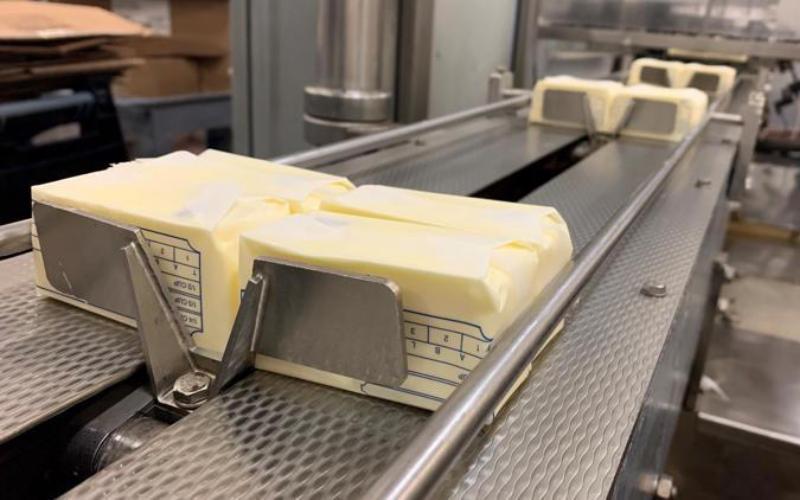
According to market participants, Belarusian oil on the Moscow market is priced at approximately 550–560 rubles, while Russian oil is offered lower in some cases — around 510–500 rubles including VAT. However, a reduction in oil stocks in Belarus does not necessarily mean an actual decrease in total supply: some volumes may have moved to Russian warehouses.
"It has moved from Belarusian warehouses to Russian warehouses," noted one of the discussion participants, commenting on the dynamics of oil stocks.
According to official data, as of early April, oil stocks in Russia amounted to about 28,000 tons. This almost matches the February level and is 41% higher than last year's figure. In such conditions, market participants see no prerequisites for a quick recovery in fat prices.
The situation with skimmed milk powder also remains tense, although prices are holding above previously expected levels. According to participants, the SMP market is approximately in the range of 235–240 rubles. One of the supporting factors has been the reduced pressure from Belarusian products, which, at the current exchange rate, are more expensive than global levels.
Meanwhile, the export of dry dairy products is difficult. A strong ruble and high logistics costs make external supplies less attractive even with a relatively favorable global market. As a result, the domestic market remains the primary sales channel, intensifying competition among producers.
In contrast, there is some price growth in the dry whey market. While it was previously expected that it would hardly exceed 75 rubles excluding VAT, current offers are around 80 rubles excluding VAT. However, growth prospects are also limited by the exchange rate and export economy.
Participants pay particular attention to warehouse stocks of long-lasting dairy products. Besides oil, stocks of dry products and ultra-pasteurized products remain significant. As of early April, SMP stocks amounted to about 77,000 tons, which is 21% higher than last year's level. For UHT products, stocks reached 42,000 tons, which is 19% higher than last year's level.