Kefir Market Faces Identity Challenges Amid Changes in Production Methods
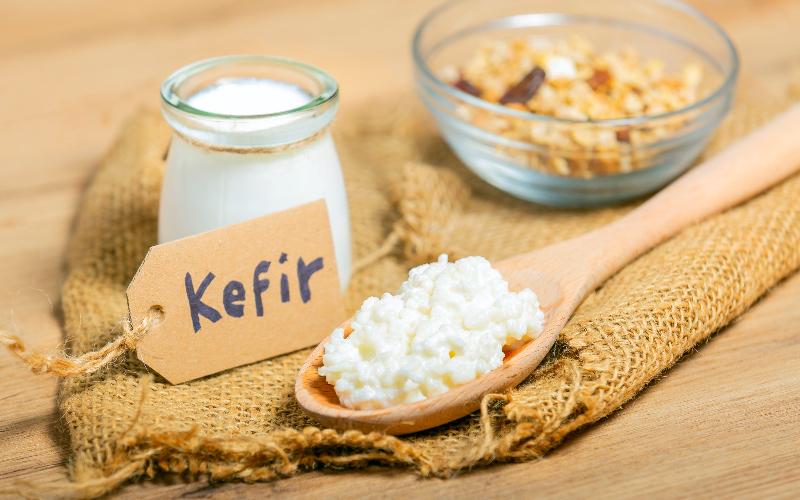
The traditional effervescence of kefir, a fermented dairy beverage, is increasingly absent in Western products. This shift is attributed to manufacturing processes that avoid using kefir grains, which provide the natural fizz through yeast fermentation. Instead, many products use kefir cultures for smoother textures, aligning with consumer preferences.
In a taste test, only Polish-brand Krasnystaw kefir retained the effervescence characteristic of traditional kefir, as it contained kefir grains. Other brands, such as Danone's Activia and Müller's Biotiful Gut Health, opted for kefir cultures, resulting in a smoother, yoghurt-like product.
The absence of yeast in many commercial kefir products is largely due to manufacturing convenience. Yeast can produce gas that risks packaging integrity, making traditional fizzy kefir challenging for industrial production. Additionally, consumer preferences in markets like the UK favor smoother, milder kefir over the traditional fizzy variety.
Despite these changes, the kefir market is growing. In the UK, it is projected to reach $107.1 million by 2030, with Biotiful Gut Health leading the market. The company focuses on authentic kefir cultures, which provide the recognized taste and probiotic benefits without the traditional fizz.
Professor Paul Cotter from the Teagasc Food Research Centre notes that the UN's Codex Alimentarius offers a definition for kefir, but it is not universally enforced. This lack of regulation allows products without traditional kefir microbes to enter the market under the kefir label.
As consumer awareness grows, there is potential for future kefir standards to prioritize live bacterial counts over effervescence. For now, consumers seem to prefer the smoother kefir products, which align with their tastes and expectations.