India's Initiative to Transform Dairy Waste into Sustainable Bio-Energy
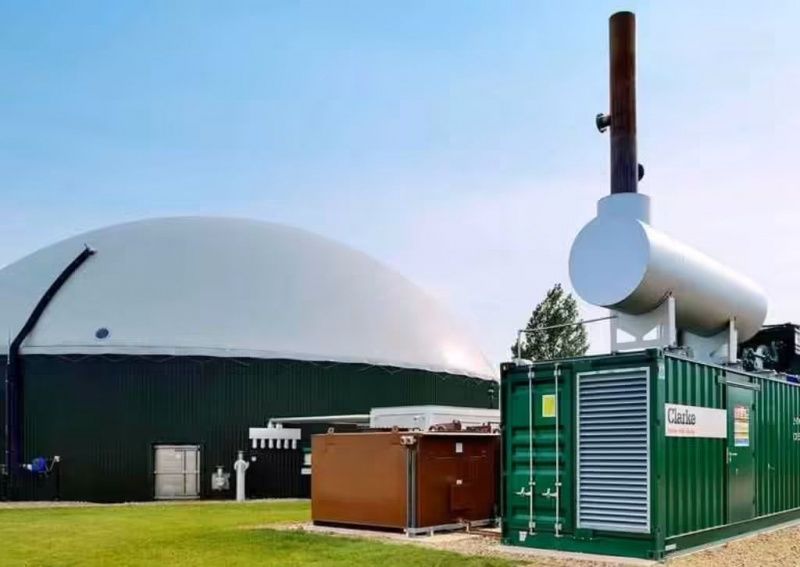
The National Dairy Development Board (NDDB) and the Municipal Corporation of Delhi (MCD) are on the verge of formalizing a significant Memorandum of Understanding (MoU) to turn regional dairy waste into compressed biogas and organic fertilizer. This initiative, announced by Union Home and Cooperation Minister Amit Shah, seeks to prevent untreated cattle waste from entering the Yamuna River. The project's core is the NDDB's circular economy model, which proposes redirecting raw dung from municipal dairies and urban gaushalas to specialized processing facilities.
This collaborative effort is part of a larger regional action plan aimed at reviving the Yamuna River basin. Minister Shah highlighted the necessity of a coordinated approach among public stakeholders to improve water quality effectively. The central government has instructed Delhi, Haryana, and Uttar Pradesh's leadership to synchronize their resources to maintain ecological flows across the river network.
To ensure the campaign's success, authorities will implement continuous monitoring of pollution indicators like Biochemical Oxygen Demand (BOD), Chemical Oxygen Demand (COD), and Total Suspended Solids (TSS) in the basin's drainage channels. Environmental compliance teams will track changes at key discharge points. Upcoming common effluent treatment plants (CETPs) and dairy waste processing facilities must be designed to handle future processing needs.
Parallel to this, municipal desilting operations have cleared 97% of the 28.57 lakh metric tonnes of silt from the local drains feeding into the river. To prevent the silt from re-entering the water system during monsoon rains, it is being repurposed for commercial and infrastructure projects. The remaining dredging operations are on schedule to conclude by mid-June.
Looking ahead, the infrastructure network is expanding to permanently reduce urban pollution. Currently, 128 sewage treatment plants (STPs) are operational across three states, with plans to add 99 more by 2027. Federal overseers will review progress on engineering works and maintenance every 20 days to ensure timely implementation.