Impact of GLP-1 Drugs on Global Dairy and Protein Markets

The U.S. dairy sector in 2026 is witnessing a significant shift due to the rise of pharmaceutical GLP-1 weight-loss medications. These drugs are currently used by 10% to 15% of the American population, and they have significantly altered consumer nutritional needs. As these medications become more prevalent, there's a growing demand for high-quality proteins to prevent muscle mass loss during rapid weight reduction. As a result, dairy proteins have become highly sought after in the wellness sector, appearing in products ranging from lifestyle sodas to specialty chips.
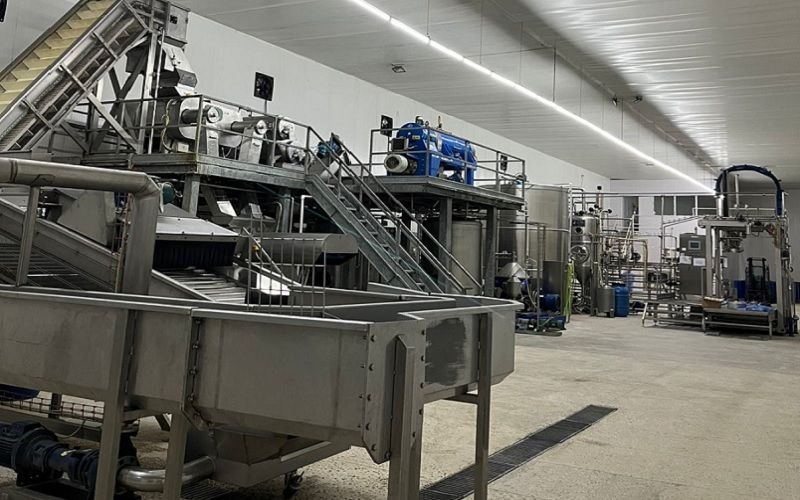
This change in consumer demand has led to a surge in the need for premium Whey Protein Isolate (WPI) and Whey Protein Concentrate (WPC 80), reaching record levels both domestically and internationally. This trend has prompted a wave of capital investment in new processing facilities focused on protein extraction, with cheese production becoming a secondary output.

Simultaneously, the beef-on-dairy crossbreeding trend is reshaping the dairy industry. With high beef prices, the production of crossbred calves has become a critical financial strategy for dairy farmers. This has affected national herd data, as producers maintain older cows in their herds due to their pregnancy with valuable beef-cross calves.
Furthermore, the industry faces an oversupply of fat, with butter prices hitting multi-year lows, while the demand for protein solids remains high. To address this, producers are shifting away from traditional fat-boosting feed supplements and are employing new dietary strategies to maximize protein output without increasing fat production.
The combination of these factors is forcing dairy operations to become more complex, managing high-component milk businesses, data-driven beef operations, and global protein supply chains to stay profitable.