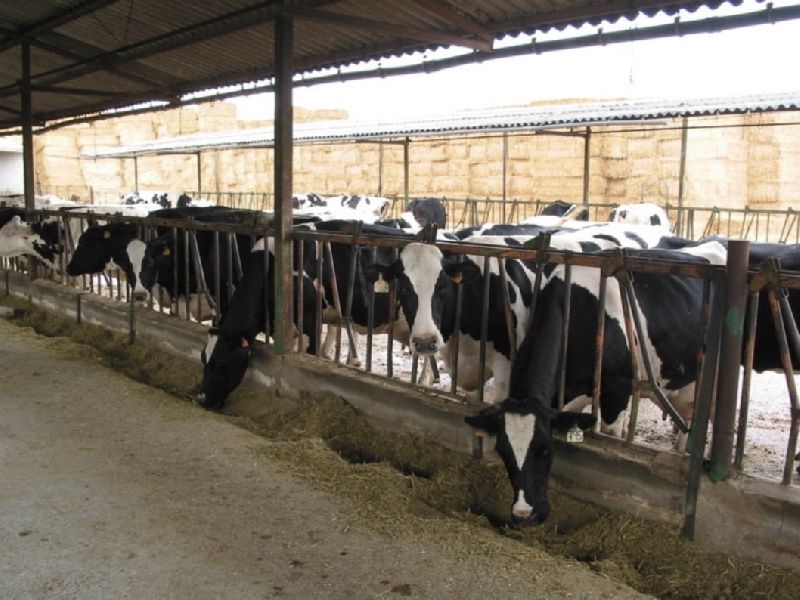
Impact of New Overtime Laws on U.S. Dairy Farm Labor Costs
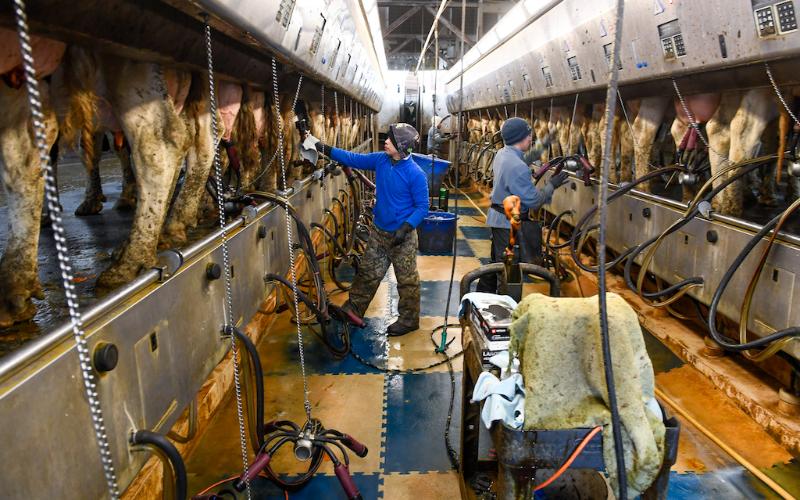
Recent changes in U.S. labor laws have introduced new overtime regulations that are impacting the financial dynamics of dairy farms. These laws, which require farms to pay overtime to workers after a certain number of hours, are increasing operational costs significantly. Dairy farms, known for their labor-intensive operations, are particularly affected by these changes.
The legislation mandates that farmworkers receive overtime pay after 40 hours a week, a shift from previous exemptions that many agricultural workers experienced. This change is intended to align farm labor practices with other industries, ensuring fair compensation for extended work hours.
Farm owners and managers are now tasked with adjusting their workforce strategies to accommodate these new financial burdens. Some are looking into more efficient staffing models, while others are considering technological investments to offset increased labor costs.
The implications of these laws are also being felt across the agricultural sector, with dairy farms being one of the hardest hit due to their reliance on consistent labor for daily operations. The change is part of a broader trend towards improving labor conditions within the agricultural industry.
This development has prompted discussions among stakeholders about the sustainability of current dairy farming models and the necessity for reform in labor management and compensation strategies.