Global protein supply risks rise with imported feed and fertilizer
The Protein Sovereignty Index evaluates national resilience across the protein supply chain, including the availability of agricultural inputs and the stability of food prices. Researchers associated with Chatham House, the International Food Policy Research Institute, the Overseas Development Institute, StoneX and the University of Stirling compiled the assessment.
The index measures whether countries can maintain affordable, nutrient-dense protein supplies during trade interruptions and shortages of raw materials. Most of the countries examined have structural weaknesses, while affluent states in the Persian Gulf are classified as critically exposed because of their reliance on foreign cropland and limited freshwater resources. The analysis identifies Canada as the sole country currently rated fully sovereign in meeting domestic protein needs.
Production of several essential inputs is concentrated geographically. A marine current off Chile and Peru supplies about half of the world’s fishmeal, while South American agricultural regions provide feed grains used by livestock herds in other countries. Canada accounts for almost one-third of global potash extraction. Dairy and livestock businesses therefore depend on uninterrupted access to oilseed meals, compound feed and nutrients used to support milk production and animal growth.
Trade data show the scale of these dependencies. China bought 111.8m tonnes of soybeans in 2025, with more than 90% coming from Brazil and the United States. The European Union obtains about 94% of its soybean meal from outside the bloc, while domestic production covers only 8% of its demand. India, the world’s largest milk producer by volume, imports 68.6% of its commercial fertiliser requirements by value.
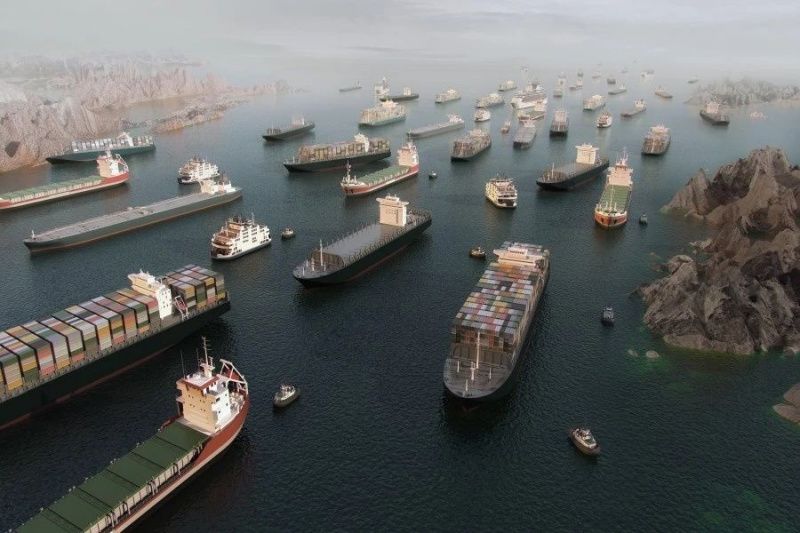
Shipping and geopolitical disruptions have produced higher costs for nitrogen fertilisers and marine proteins, according to the analysis. Restrictions affecting vessels in the Black Sea and tensions around the Strait of Hormuz are cited as recent sources of input shocks. Food and beverage companies in Europe and Asia are mapping suppliers beyond their immediate contractors, while lenders are incorporating national input exposure into assessments of long-term financing for large dairies and feedlots.
Processors that cannot transfer sudden increases in feed and fertiliser costs through retail agreements may face pressure on working capital and compliance with cash-flow covenants. Dairy co-operatives and integrated agricultural businesses are working with extension services on domestic legumes, insect and single-cell proteins, and more precise fertiliser use. Procurement contracts and milk-payment arrangements are also increasingly favouring suppliers using regional feed grains with fewer links to vulnerable trade routes.