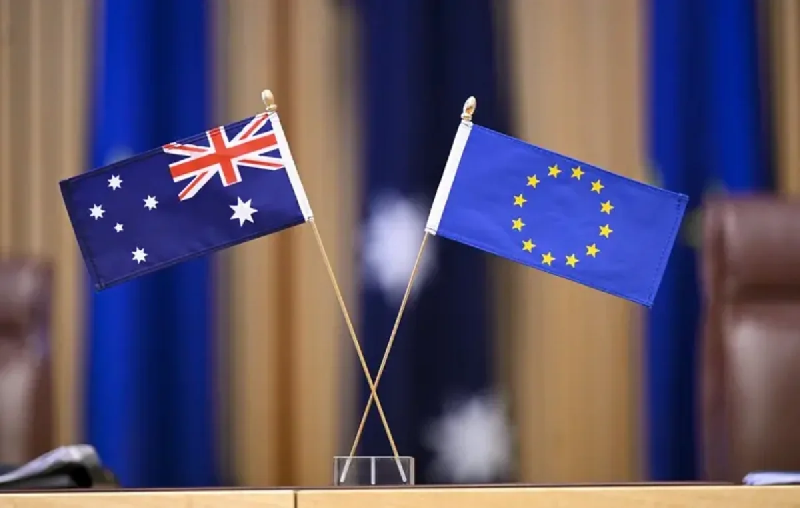
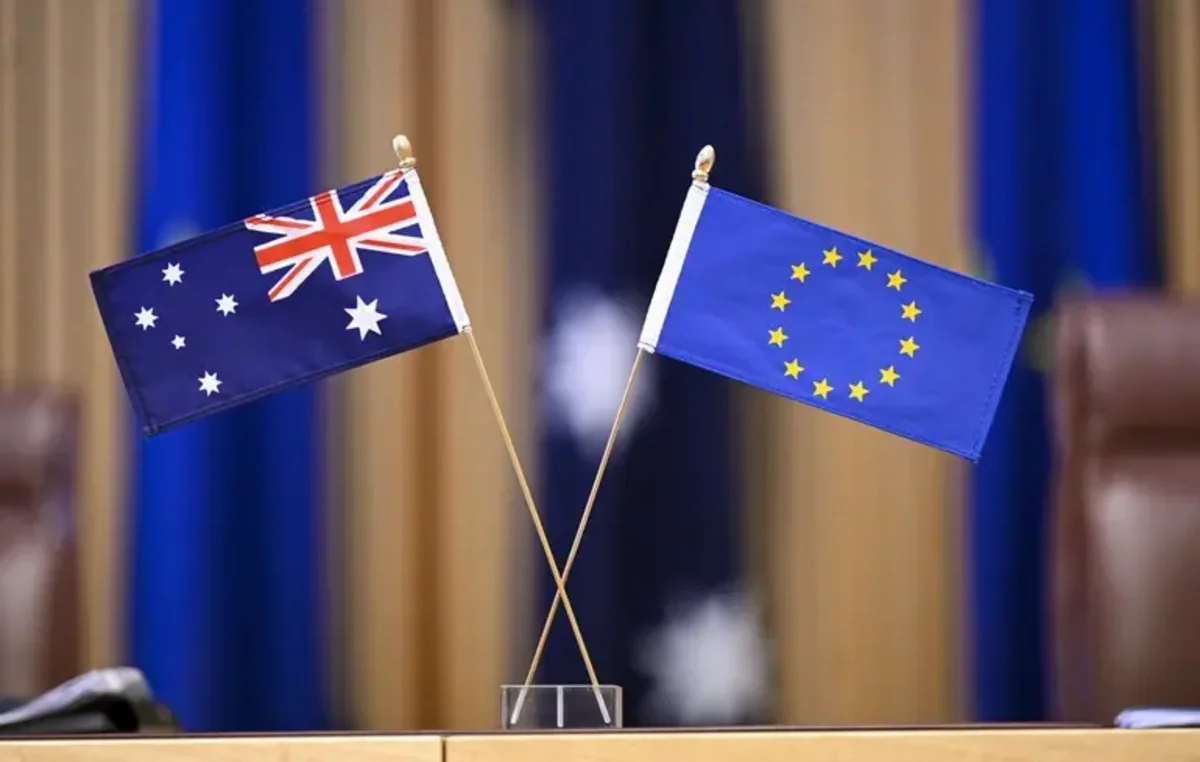
The EU free trade deal divides Australia’s farm sector
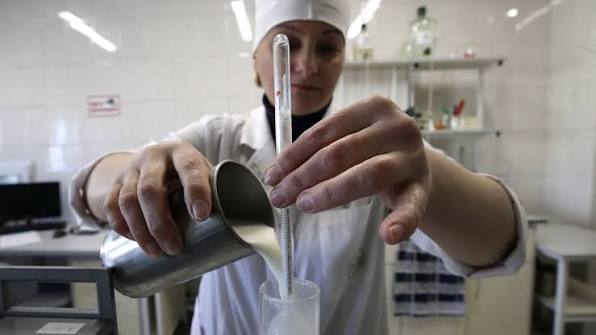
At a National Farmers’ Federation (NFF) council meeting in Canberra last week, Australian Dairy Farmers President Ben Bennett urged Trade Minister Don Farrell to carve dairy out of the agreement. According to Bennett, phasing out the remaining A$1.22 per kilogram tariff on EU cheese would put untenable price pressure on the entire supply chain. “The removal of that $1.22 effectively correlates to that kind of reduction of our milk price,” he said.
Farrell rejected calls to reopen negotiations, saying no additional market access concessions could be obtained from the Europeans. “You asked me to get you $3bn worth of new trade, well we got $2bn. If there was more to get, I would have secured it,” the minister said. He said the choice was between accepting a deal worth A$10 billion in trade, rising to A$30 billion over time, or rejecting it.
The beef industry also opposes the agreement. According to Cattle Australia chief executive Will Evans, tariff-free access for an additional 30,000 t of Australian beef into the EU amounts to only about one week of current exports.
Other industry bodies support the deal. Australian Grape & Wine chairwoman Helen Strachan said eliminating tariffs on Australian wine in the EU would save exporters about A$14.5 million a year, although they would have to phase out use of the protected term “prosecco” for EU sales over the next decade. The agreement is also backed by the Almond Board of Australia, AusVeg and major grain exporters Manildra Group and GrainCorp. Meanwhile, several opposition Coalition MPs, including Nationals leader Matt Canavan and Liberal MP Dan Tehan, have sided with the NFF in opposing the deal.