Brazilian state bill would ban imported inputs in reconstituted drinking milk
Figures from Emater/RS-Ascar show that Rio Grande do Sul had 28,946 establishments producing milk for industrial processing in 2025, compared with 84,199 in 2015. That represents a loss of 55,253 establishments, or approximately 65.6%, over the decade.
Milk output, meanwhile, remained almost unchanged between 2023 and 2025. Production stood at approximately 3.84 billion litres in 2025, against roughly 3.83 billion litres two years earlier.
The state's dairy herd contracted over that same two-year period. It lost 27,234 animals, a reduction of approximately 3.5%, according to the figures presented.
The lawmaker's staff interpreted the combination of fewer establishments and broadly stable output as evidence that production was becoming concentrated on larger, more specialised farms. In their assessment, smaller producers face difficulties remaining in the business.
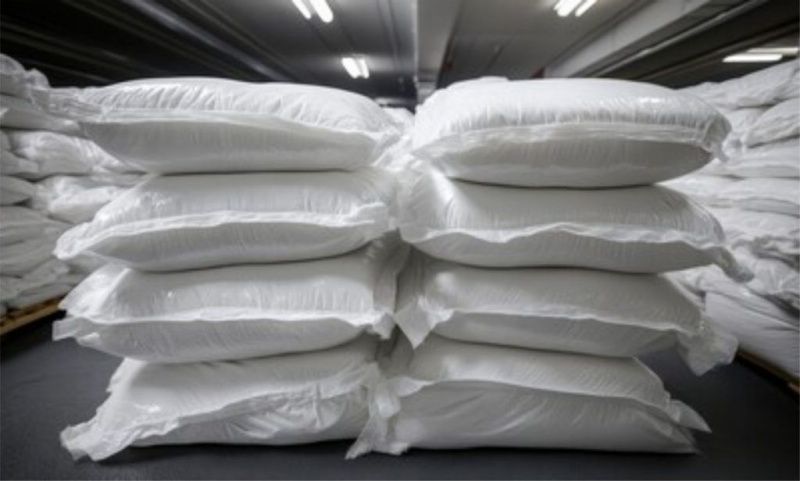
The legislative debate concerns the use of imported ingredients in a specific product sold within Rio Grande do Sul: reconstituted milk marketed in liquid form. Under the proposed restriction, companies wishing to manufacture and sell that product in the state could no longer use imported raw materials to do so.