Decline in Dairy Consumption Affects Small and Medium Enterprises in Argentina
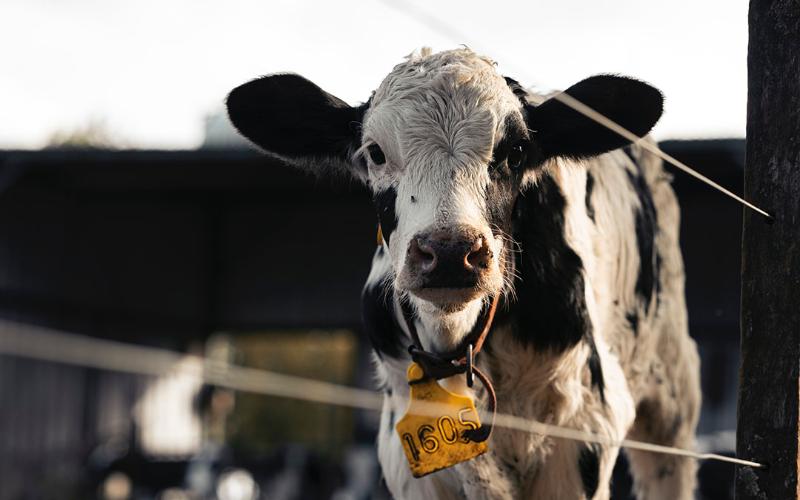
Argentina has historically been one of Latin America’s key dairy producers, with annual milk production fluctuating between 10 and 11.5 billion liters in recent years. However, domestic consumption — traditionally the backbone of the industry — has weakened sharply.
According to industry estimates, per capita dairy consumption has fallen from around 190–200 liters per year a decade ago to approximately 170–175 liters, with some recent quarterly data suggesting even lower effective consumption levels amid high inflation and declining purchasing power.
In the past year alone, total dairy product sales in the domestic market have reportedly declined by 8–15% in volume terms, depending on product category. The sharpest drops have been observed in higher-value segments:
-
Yogurt and desserts: down 12–18%
-
Semi-hard and hard cheeses: down 10–15%
-
Fluid milk: down 5–8%
These figures are particularly troubling for SMEs, which rely disproportionately on local supermarket and neighborhood retail channels rather than export markets.
Inflation and Purchasing Power
Argentina’s macroeconomic context is central to the decline. Annual inflation has exceeded 200% year-on-year, severely eroding real household income. Food prices — including dairy — have risen at rates often outpacing general inflation.
For example:
-
Retail milk prices increased by more than 250% over the past 12 months
-
Cheese prices rose between 220–280%, depending on type
-
Yogurt and value-added dairy products posted price increases above 200%
While nominal wages have risen, real purchasing power has lagged, prompting consumers to trade down to cheaper protein sources or reduce overall dairy intake.
Production Costs and Margin Pressure
On the supply side, dairy SMEs are facing a simultaneous cost squeeze. Key inputs have surged:
-
Feed costs increased by 150–200% over the past year
-
Electricity and fuel costs rose between 100–180%
-
Packaging materials (often dollar-linked) saw triple-digit increases
Milk farmgate prices have adjusted upward, but not always at the same pace as input inflation. As a result, many processors report operating margins below 5%, with some functioning at breakeven or temporary losses.
Small and medium processors — represented by organizations such as APYMEL — account for approximately 25–30% of Argentina’s processed dairy output and operate more than 600 small plants across the country. Unlike multinational players such as Mastellone Hermanos (La Serenísima brand) or export-focused giants like SanCor, SMEs have limited access to foreign currency revenues and export hedging mechanisms.
Export as a Partial Buffer
Argentina exports roughly 25–30% of its total milk production, mainly in the form of milk powder, cheese, and whey products. In 2023–2024, dairy exports generated approximately $1.2–1.5 billion annually, depending on global price cycles.
However, smaller processors often lack:
-
Export certifications
-
Scale for containerized shipments
-
Access to trade financing
-
Logistical infrastructure
As a result, export expansion is not an immediate solution for many SMEs.