Cooperatives Gain Ground in Minas Gerais Amidst Declining Dairy Producers
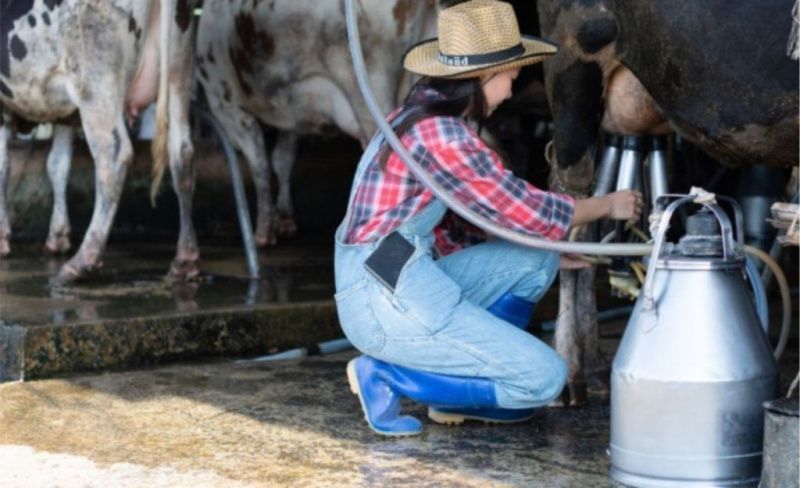
In the state of Minas Gerais, cooperatives have taken on a significant role in the dairy industry, processing one out of every five liters of milk produced. This development comes as the sector faces mounting challenges, including rising costs for feed, animal supplements, logistics, and taxes, alongside increasing competition from imported dairy products.
Minas Gerais, a leader in Brazil's dairy industry, has seen the number of dairy farms shrink significantly. According to data from the Sistema Ocemg, the number of dairy farmers has decreased by 32% between the two most recent Agricultural Censuses, with nearly 29,000 producers exiting the industry during this period.
Cooperatives have not only increased their involvement in milk collection and processing but have also taken on strategic roles to support remaining producers. They provide technical assistance, facilitate access to credit, and implement initiatives aimed at improving productivity and adding value to dairy products. This approach is seen as crucial for maintaining the economic viability of dairy farming in the region.
Industry representatives argue that foreign dairy products benefit from export incentives and other supports that are not available in Brazil, creating an uneven playing field. This situation has intensified the pressure on local producers, who are already grappling with economic sustainability issues.
Cooperative leaders emphasize that merely increasing production is insufficient to address the industry's challenges. They advocate for improvements in genetic quality, milk quality, animal comfort, financing options, and the development of new income sources on farms. These factors are considered essential for ensuring the long-term sustainability of dairy farming.
The growing prominence of cooperatives reflects a dual reality in Minas Gerais. While these organizations strengthen their presence across various stages of the dairy supply chain, the decline in the number of producers highlights the ongoing challenge of preserving the economic viability of those who continue in the industry.