Challenges Facing Nigeria's Dairy Industry Hinder Self-Sufficiency Goals
Nigeria is striving for self-sufficiency in dairy production, but several challenges continue to impede progress. According to Dianabasi Akpainyang, Executive Director of the Commercial Dairy Rancher Association of Nigeria (CODARAN), inadequate access to quality feed, fodder, and clean water is a major issue. Many smallholder farmers struggle to provide the necessary nutrition for optimal milk production, resulting in low yields.
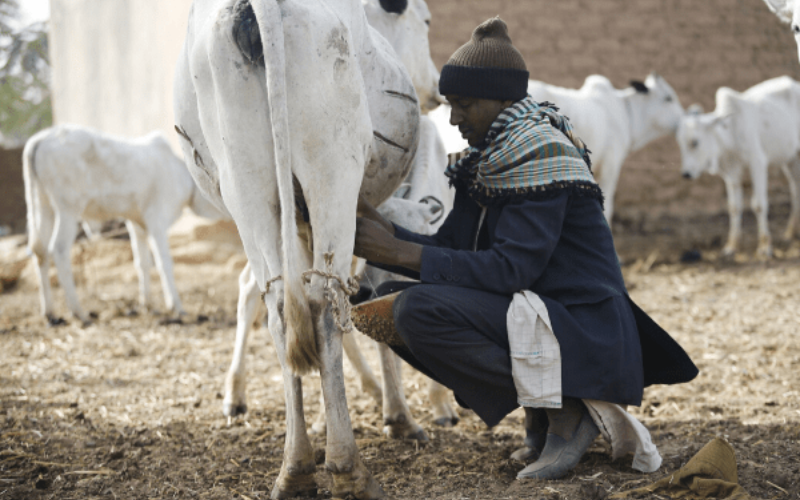
Most local cattle breeds are raised primarily for meat, producing only 0.5 to 2 litres of milk per day. This is insufficient to meet the country's milk demand. Traditional practices such as open grazing contribute to the problem, as they stress the animals and reduce productivity.
Financial constraints also hinder the dairy sector. High-interest loans with short repayment terms are not suitable for the long-term nature of dairy investments, limiting access to necessary capital. The lack of veterinary services further complicates matters, as farmers often resort to self-medicating their animals, leading to milk contamination.
Security issues, including cattle rustling and kidnappings, disrupt livestock production and discourage investment. To address these challenges, Akpainyang suggests launching a National Pasture Development Programme to ensure consistent access to quality fodder and improve cattle genetics through a National Breeding Programme.
He also advocates for the operationalization of the National Dairy Fund to provide low-interest financing tailored to dairy producers' needs. Enhanced veterinary services and training for community-based animal health workers are essential to improve herd health.
Addressing insecurity is crucial to creating a safe environment for farmers and their livestock, facilitating further investments in the dairy sector. These strategic interventions are necessary for Nigeria to realize its dairy self-sufficiency ambitions.