Belarusian Producers Reduce Packaging Weights Amid Rising Costs and Changing Consumer Demand
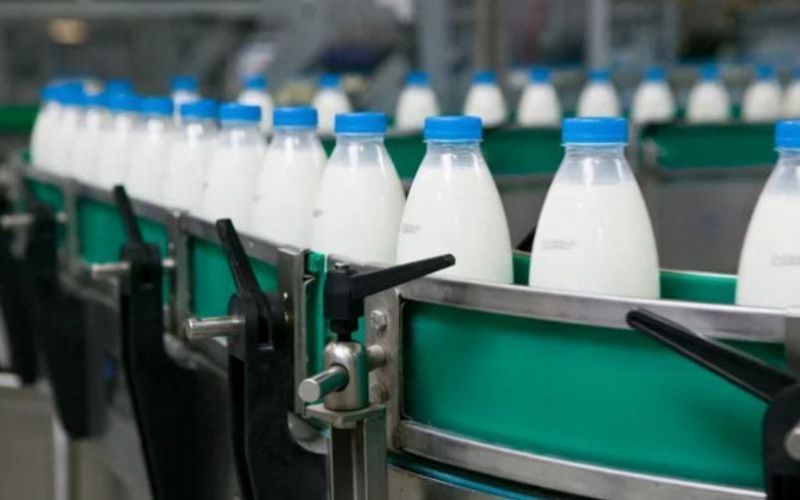
Shrinkflation has become noticeable to consumers across various categories: milk might be sold in 900-milliliter packages instead of liter ones, chocolate bars might weigh 85 grams instead of 100 grams, and ice cream might have less weight while retaining its usual visual format. For consumers, this appears as a hidden price increase since they receive less product for about the same money.
Producers explain the shift to smaller formats by citing increased production costs. Businesses are pressured by rising prices of raw materials, logistics, energy resources, packaging, and labor. In these conditions, companies are left with two main options: directly increase prices or reduce product volume. The first scenario could lead to decreased demand and customers turning to competitors, while the second allows maintaining a more attractive price tag on the shelf.
This practice is especially sensitive in categories with high competition and low product differentiation—such as dairy products, sugar, confectionery, and staple foods. Buyers often focus on the final package price rather than the cost per liter or kilogram, so smaller packaging may be perceived as a more favorable offer.
For the Belarusian market, this topic is particularly sensitive due to consumers' habits of traditional packaging standards and GOSTs. At the same time, producers note that smaller formats are not always solely about cost-saving. They also reflect changes in demand structure: there is a growing number of small households, increasing interest in portioned packaging, and some consumers prefer buying less product to avoid spoilage.
A noteworthy example is the confectionery industry. Amid a sharp rise in global cocoa bean prices, chocolate manufacturers faced the need to revise their pricing and product range policies. According to representatives of "Kommunarka," the cost of cocoa beans previously ranged around €2,000–3,000 per ton, while in March last year, it reached €11,000–12,000 per ton. Import raw materials can constitute up to 80% of a chocolate bar's production cost.
In such conditions, the producer chooses between a sharp price increase and releasing multiple product formats. The market may simultaneously offer bars weighing 180g, 100g, and 85g, allowing choice for different consumer groups.
"Experience has shown that a sharp price hike kills impulsive purchases, which include chocolate," noted Yulia Gosteeva, Deputy General Director for Production at "Kommunarka."
In the dairy industry, producers also explain smaller packaging volumes by changes in consumer habits. Minsk Dairy Plant No. 1, in particular, points to the demand for convenient single-use small-volume packaging. Furthermore, dairy products have a limited shelf life, and smaller packaging reduces the risk of product spoilage after opening.
It is important to distinguish between shrinkflation and illegal underweight. If a producer indicates the actual volume or weight of the product on the packaging, this practice does not violate legislation. The problem arises when the actual weight does not match what is declared. According to State Standards, past retail inspections revealed batches of packaged products with underfill, in some cases reaching 35% underweight. Such cases relate more to administrative violations than marketing policy.
The state can limit the effects of shrinkflation through several tools. One of them is the requirement to indicate the price per kilogram or liter, allowing consumers to compare products of different volumes. Another option is standardizing packaging for socially important products. In some countries, informational warnings on shelves about products whose weight has been reduced without a proportional price decrease are also used.
However, completely eliminating shrinkflation is challenging. As costs rise and consumer price sensitivity remains high, producers will seek ways to keep the final product price within a psychologically acceptable range.
The main market risk is that volume reduction could gradually lead to a more problematic practice—skimflation, which involves degrading the recipe or quality of the product to maintain the price. While packaging reduction is noticeable to the buyer, ingredient substitution with cheaper alternatives is often less evident.
In these conditions, transparency becomes a key factor. For producers, it is important not only to adapt to rising costs but also to maintain consumer trust. For buyers, the main tools remain carefully comparing product costs per liter or kilogram and monitoring the actual weight and composition of the product.