Australian Dairy Industry Calls for Stricter Labelling of Plant-Based Drinks
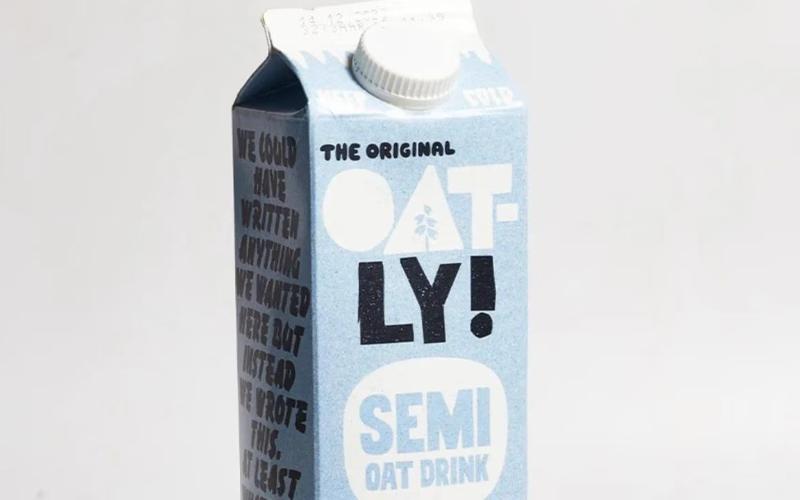
The debate over the use of the term 'milk' for plant-based drinks has intensified in Australia, following a significant UK Supreme Court ruling. The court decided that Swedish company Oatly could not trademark the phrase 'Post Milk Generation' on its products after objections from British dairy farmers. Dairy UK had argued that trademark law restricts the use of 'milk' to dairy products derived from animals.
In Australia, Robert Brokenshire, President of the South Australian Dairyfarmers' Association, supported the UK's decision, advocating for similar measures domestically. He emphasized the need for 'truth in labelling' to prevent what he describes as misrepresentation of the dairy industry by plant-based products. According to Brokenshire, the use of terms like 'almond milk' and 'soy milk' infringes on the dairy sector's market.
The Australian government has allocated $1.5 million in the 2024–25 budget to refine labelling practices for plant-based and alternative protein products. Federal Agriculture Minister Julie Collins announced that this initiative would involve creating an industry code of practice, led by the Alternative Proteins Council. The code aims to provide guidance by discouraging animal imagery and limiting meat-specific terms on plant-based products.
Tim Jackson, CEO of the Almond Board of Australia, argued that consumers are generally aware of the differences between dairy and plant-based products. He suggested that changing the nomenclature would not significantly impact the plant-based market's success, given its current popularity.
Food labelling expert Dr. Courtney Stewart noted that consumer confusion mainly arises from animal imagery on plant-based products, rather than the terminology used. Research by Food Standards Australia New Zealand indicated that most consumers can distinguish between dairy and plant-based alternatives, except when animal imagery is involved.
As discussions continue, the Australian dairy industry remains focused on ensuring that labelling practices accurately represent product origins and maintain fairness in the market.